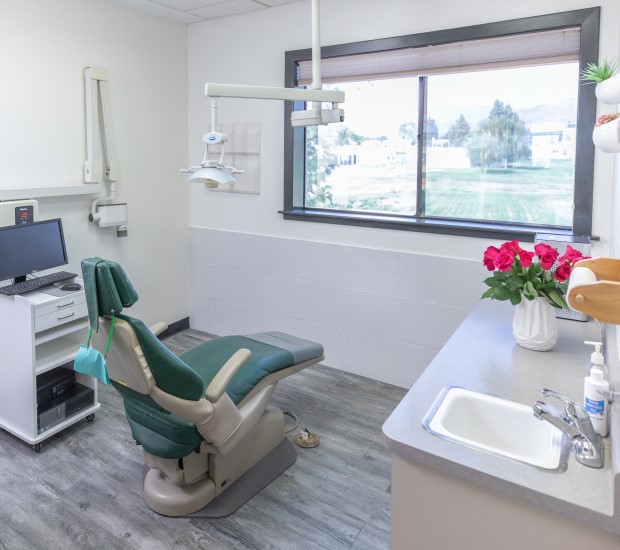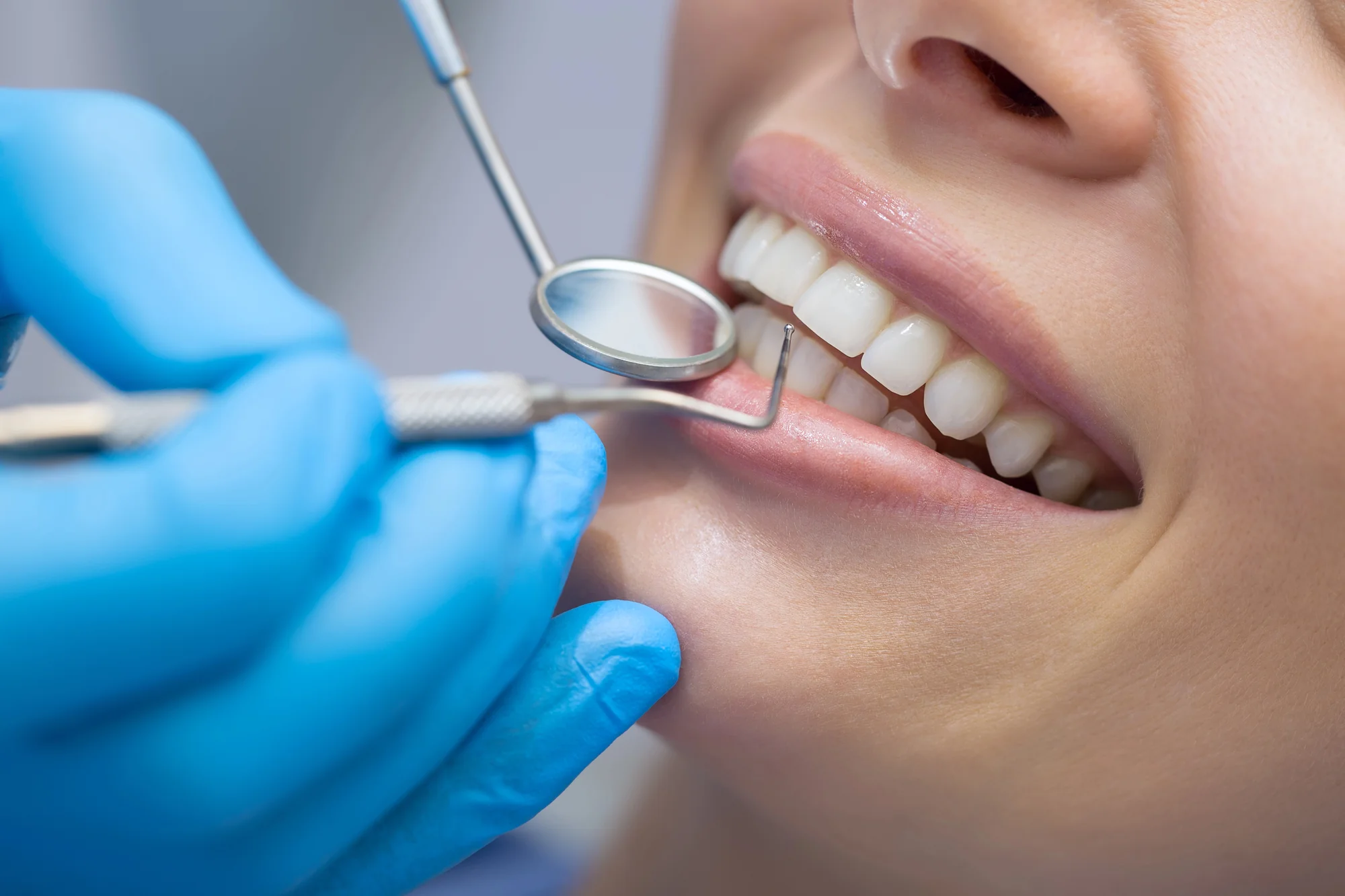
During a regular dental check-up, your dental expert can remove plaque and tartar from the upper and lower gum lines. Your dentist can recommend scaling and root planing if you have signs of periodontal disease. Scaling and root planing treatment involves a deep cleaning that removes plaque that has hardened on the tooth. Plaque is the major cause of gum disease and inflammation. It is important to see your dental expert if you are experiencing sore or swollen gums. Your dentist can recommend scaling and root planing because it is an effective treatment for both severe and moderate periodontal disease or gingivitis. If you need quality scaling and root planing services, contact SoCal Dental of Agoura.
Scaling Explained
Scaling is a professional dental cleaning procedure used to remove tartar, stains, and plaque from the teeth, particularly below the gumline. This procedure prevents and treats gum diseases like periodontitis and gingivitis. Dental hygienists often use specialized tools, including hand tools and ultrasonic scalers, to carefully clean the teeth. Scaling enhances dental hygiene, promotes healthier gums, and reduces bad breath. This procedure is usually combined with root planing for deeper cleaning. You can maintain good oral health and prevent serious dental issues by getting regular scaling, along with proper flossing and brushing.
Understanding Root Planing
Root planing is a deep dental cleaning procedure that dentists use to treat gum disease. This treatment involves carefully removing tartar, bacterial toxins, and plaque from the tooth root below the gumline. The purpose of this treatment is to smooth the roots, minimize inflammation, and enable the gums to reattach to the teeth. Dentists often perform root planing alongside scaling under local anesthesia for comfort. This procedure helps reduce pocket depth, prevent the progression of periodontal disease, and enhance gum tissue recovery. Regular dental visits and proper oral hygiene are vital afterward to maintain results and prevent further damage or reinfection of supporting structures.
Situations That Will Require Scaling And Root Planing
You might need scaling and root planing if gum disease has progressed beyond simple gingivitis into periodontitis. Periodontitis occurs when infection has significantly affected the supporting structures of your teeth. Situations that can require scaling and root planing include:
Presence of Risk Factors That Worsen Gum Disease
You could be required to undergo scaling and root planing immediately or more often if you have poor oral hygiene habits, your immune system is weakened, or you smoke or use tobacco. The dentist can also recommend this treatment because of your genetic susceptibility to gum disease. You could also be a good candidate for this treatment if you have diabetes that is poorly controlled.
Recurrent Periodontal Disease
Your dental expert can book you for scaling and root planing if you have undergone prior treatment for gum disease. Maintenance alone may not be sufficient; you might need scaling and root planing if the condition recurs.
Gum Recession Because Of Infection
You could be an ideal candidate for scaling and root planing if your gums pull away from your teeth, exposing root surfaces. Exposed roots are prone to sensitivity and bacterial buildup. Scaling and root planing can help clear and smooth these surfaces, enhancing healing.
Ineffective Routine Cleaning
Deep cleaning may be suitable for you if regular cleanings fail to improve your gum health. Dentists often use scaling and root planing in areas that standard cleaning cannot reach.
Evidence Of Bone Loss On X-rays
You could undergo scaling and root planing if X-rays indicate bone loss supporting the teeth. This can be a sign that the disease has progressed beyond the gums into deeper structures.
Chronic Gum Infection
The dental expert can recommend scaling and root planing if you have a long-standing infection that cannot be treated using basic oral hygiene. This infection is often associated with bad breath and gum discharge. Scaling and root planing help eliminate the source of bacteria.
Regular Gum Inflammation
You could have persistent signs, such as tenderness, swelling, redness, and bleeding gums, even after routine dental cleaning. This indicates that the bacteria are still existing below the gumline. Scaling and root planing help eliminate these bacteria.
Tartar Below The Gums
Regular cleaning tools cannot eliminate hardened plaque under the gum line. Plaque is a constant source of irritation and infection. Scaling and root planing are suitable for thoroughly clearing plaque.
Deep Periodontal Pockets
The gums of a healthy person often have a pocket depth of 1-3 mm. You could be a candidate for scaling and root planing if your pockets are 4mm or deeper. Bacteria usually spread beyond the reach of a flosser or brush. The tissue and bone can be damaged if you have deeper pockets.
Moderate To Severe Periodontitis
Scaling and root planing is an ideal treatment for moderate-to-severe periodontitis. Severe periodontitis occurs when bacteria spread below the gumline, destroying supporting tissues and bone. Your dentist can determine this after measuring deep gum pockets and evaluating inflammation.
Risk Factors That Can Make You Require Scaling and Root Planing
The following are the major risk factors that can necessitate scaling and root planing:
Past Record Of Gum Disease
You are at a higher risk of recurrence if you have had periodontal disease before. Maintenance is important to prevent the need for scaling and root planing in the future. Gum disease often results in periodontal pockets. Some pockets can remain deeper than normal after treatment. The pockets trap tartar and plaque, making it hard to clean at home. This buildup will need another round of scaling and root planing over time.
Systemic Diseases And Immune Conditions
Conditions that affect immunity, such as cancer treatments and HI, can increase vulnerability to gum infections. Low immunity allows the bacteria to spread more deeply into tissues.
Advancement in Age
Age increases risk due to cumulative exposure to plaque and other factors. Older people are likely to require more extensive scaling and root planing than younger people.
Poor Dental Work or Crooked Teeth
Poorly fitting crowns or fillings and misaligned teeth create areas where plaque accumulates. It is hard to clean these areas, enhancing the risk of infection.
Teeth Grinding
Supportive structures can be damaged by excessive pressure on teeth. Existing gum issues can get worse and increase the risk of tissue breakdown.
Exposure to Stress
Sometimes, your immune system can weaken due to stress. Chronic stress can lead to habits like teeth grinding and neglect of oral hygiene. Stress hormones can worsen inflammation in the gums.
Poor Nutrition
Your gum tissue can become weak because of low vitamins in the body, especially Vitamin C. Eating a lot of sugary food can increase the multiplication of harmful oral bacteria. Malnutrition also impairs the body’s ability to fight infection.
Dry Mouth
Saliva helps to neutralize acids and wash away food particles. Chronic dryness is a favorable environment for bacterial multiplication. If this happens, scaling and root planing will be required to remove the bacteria.
Certain Medications
Certain treatments can increase the risk by reducing saliva production or causing gum overgrowth. Antidepressants and antihistamines are common drugs that can cause a dry mouth. Other drugs, like calcium channel blockers or phenytoin, often cause gingival enlargement. Low saliva levels in the mouth lead to reduced natural protection against bacteria.
Hormonal Changes
Hormonal changes do not directly increase the need for scaling and root planing. However, they greatly increase the risk of gum disease, which can eventually require scaling and root planing. The connection lies in the body’s inflammatory response and how hormones affect gum tissue.
A decrease in hormones like progesterone and estrogen increases blood flow to the gums, making them more sensitive. This will also increase the body’s inflammatory response to plaque. It will also make the gums react aggressively to even a small number of bacteria. If this happens, you are likely to suffer more severe periodontitis if not treated properly.
Hormonal changes can allow bacteria to spread below the gumline and promote the formation of deeper gum pockets. It also increases gum inflammation and plaque buildup. You will require scaling and root planing once bacteria and tartar accumulate under the gums. Scaling and root planing will eliminate deposits from root surfaces, smooth roots to help gums reattach, and prevent disease progression.
Genetic Predisposition
Some individuals are genetically susceptible to gum disease, even with good oral hygiene. A family record of gum disease or early tooth loss increases the risk.
Poorly Controlled Diabetes
Diabetes mellitus can make you vulnerable to infections, including gum disease. High blood sugar also slows the healing and increases bacterial growth. Gum disease can also worsen blood sugar control.
The Use Of Tobacco or Smoking
Smoking reduces blood flow to the gums, weakening the body’s immune response. It hides early signs like bleeding, making disease progression go unnoticed. Smokers are more likely to suffer from severe periodontitis. If this happens, scaling and root planing will be required.
Poor Oral Hygiene
Improper or infrequent flossing and brushing allow a sticky bacterial film to build up. Plaque will harden into tartar over time, which cannot be cleared by brushing alone. This can cause inflammation of the gums and, later, a deeper infection that requires scaling and root planing.
The Procedure Of Scaling And Root Planing
You will go through the following procedure when you undergo scaling and root planing:
Examination And Diagnosis
Your dental expert will carry out a medical and dental history review. The dentist will check for conditions like heart disease and diabetes. Clinical evaluation will involve checking for bleeding, gum recession, and swelling. The dentist will also use a periodontal probe to determine the depth of gum pockets. Your dentist can also take X-rays to determine bone loss. Additionally, a diagnosis of periodontitis or gingivitis will be made.
Treatment Planning
The dental expert will establish the severity and number of quadrants to treat. The treatment will be divided into two to four appointments. Each section of the mouth will be treated at a time.
Pre-Procedural Preparation
Your dentist may ask you to rinse your mouth with an antimicrobial mouthwash, such as chlorhexidine. He/she will also put you under local anesthesia to numb the area for comfort.
Scaling
Supragingival scaling involves removing tartar and plaque above the gumline. The dentist uses hand instruments, such as sickle and ultrasonic scalers, to remove plaque and tartar. An ultrasonic scaler vibrates to break calculus on the teeth.
Subgingival scaling involves cleaning below the gumline or inside periodontal pockets. The dentist will remove bacterial toxins and hardened calculus. This procedure requires precision to prevent damage to gum tissue.
Root Planing
The dental expert will use curettes to smooth rough root surfaces. This will involve removing necrotic cementum and embedded toxins. Your dentist will perform this procedure to promote reattachment of gums to teeth and prevent bacteria from reattaching.
Irrigation Of Pockets
The dentist will flush the treated area with antiseptic solutions, such as saline or chlorhexidine, to remove debris and reduce bacteria.
Optional Adjunctive Therapy
Sometimes, the dentist will apply local antibiotics, such as doxycycline gel, into the pockets. The dentist can also use laser therapy.
Post-Procedure Care
It is normal to experience sensitivity and mild soreness. You are required to avoid spicy or hard foods for 24 to 48 hours and maintain gentle brushing and flossing. Use prescribed mouthwash if necessary. Over-the-counter pain relievers like ibuprofen can also work.
Recovery And Follow-up
Gums will start reattaching to the teeth after several weeks. You should go for a reassessment after 4 to 6 weeks. During this visit, the dentist will again determine the pocket depth and check for reduced inflammation. Your dentist will provide further medication, such as periodontal surgery in severe cases.
Reasons For Performing Scaling And Root Planing
Some of the reasons why scaling and root planing are done include:
- To improve oral health and comfort by reducing bad breath, minimizing gum bleeding and tenderness, and promoting healthy-looking gums.
- To prevent tooth loss by controlling inflammation and infection. This procedure is often performed to preserve the bone and tissues that anchor the teeth in place.
- To smooth the tooth roots to help the gums reattach to the teeth. Smoothening also makes it hard for the bacteria to stick to teeth again.
- To clean below the gumline because deep pockets can form between teeth and gums, where harmful bacteria multiply.
- To stop or prevent gum disease progression, and
- To remove plaque and tartar
Advantages Of Scaling And Root Planing
Scaling and root planing is one of the best early interventions for gum disease. It not only contributes to better overall health but also improves gum health and prevents tooth loss without the need for surgery. Some of the advantages of scaling and root planing include:
Enhances Smile Appearance
Scaling and root planing make your gums look healthier and less red or swollen. Your teeth will look cleaner without deposits of calculus.
It Is Cheaper
Scaling and root planing help maintain natural teeth longer. This procedure also eliminates the need for costly treatments such as tooth extractions, implants, and surgery.
Supports Overall Health
Gum disease is often associated with systemic conditions like diabetes and heart disease. Using scaling and root planing to treat periodontal infection can help minimize these risks by reducing systemic inflammation.
It Is Minimally Invasive Compared To Surgery
Scaling and root planing is a non-surgical treatment often performed under local anesthesia. It is cheaper, less risky, and has a faster recovery time than gum surgery.
Improves General Oral Hygiene
After undergoing scaling and root planing, your teeth will become smoother and easier to clean. This procedure prevents future plaque buildup and promotes the effectiveness of flossing and brushing.
Removes Bad Breath
Bacteria that multiply under the gums produce foul-smelling toxins. However, scaling and root planing eliminate these bacteria, giving the patient fresh breath and improved oral hygiene.
Prevents Tooth Loss
If periodontitis is not addressed, it can damage the bone and ligaments that anchor the teeth. Scaling and root planing prevent loosening and eventual loss of teeth. This treatment also preserves the support bone structure.
Promotes Gum Reattachment
Root planing makes it easier for gums to reattach to the teeth by smoothing rough root surfaces. This procedure also improves overall tooth support and prevents the formation of deep pockets between the gums and teeth.
Minimizes Gum Inflammation And Bleeding
After scaling and root planing, the gums become firm and healthy because swollen gums often return to their normal size. This treatment also significantly reduces bleeding during flossing and brushing.
Stops Progression Of Gum Disease
Scaling and root planing eliminate tartar and harmful bacteria that cause infection. It helps stabilize gum health before tooth damage becomes permanent. This procedure also prevents mild gum inflammation from progressing to more severe disease.
Whether Scaling And Root Planing Is Painful
Scaling and root planing is not painful, but you can experience some discomfort depending on your situation. During the procedure, you will be placed under local anesthesia. You will likely experience vibration and pressure instead of pain. After the procedure, you can experience slight bleeding and temporary tooth sensitivity. You can manage the discomfort by taking over-the-counter pain relievers and avoiding very hot or cold foods for several days.
Find An Experienced Dentist Near Me
Also known as deep cleaning, scaling, and root planing, this process removes tartar from tooth surfaces. Deep cleaning might require several dental visits, depending on the extent of cleaning required. After scaling and root planing, you will need to observe proper oral hygiene to maintain your oral health. Contact SoCal Dental of Agoura for professional scaling and root planing services. Contact us at 818-597-0100 to speak to one of our dental experts.