Nothing is more frustrating than biting into ice cream or your favorite spicy food and feeling a sharp pain or tingling sensation in your tooth. That sudden and unexpected tingling sensation or pain in your teeth could be an indicator that you have a broken or fractured tooth.
While our tooth enamel is heavily mineralized and strong, when you experience a significant external force on your mouth area, your tooth could crack or fracture. Minor tooth chips and fractures are often painless and could go undetected, but severe fractures could cause unbearable discomfort.
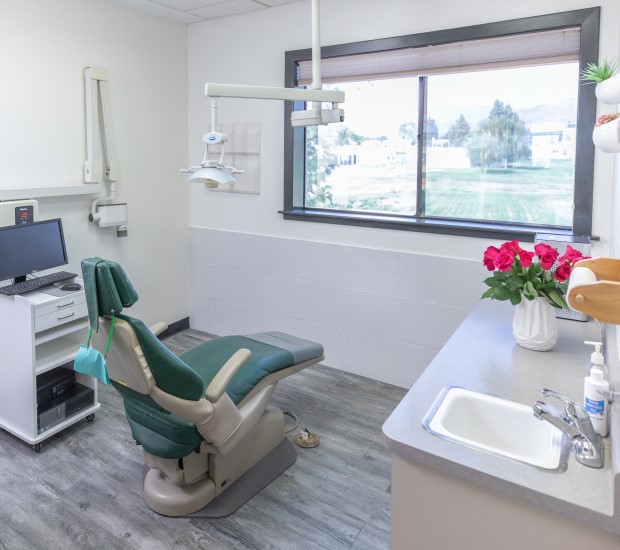
If you believe you have a tooth fracture, even a minor one, our Agoura Hills dentists at SoCal Dental of Agoura can assess the condition of your tooth using modern technology for appropriate and precise treatment. Do not hesitate to contact us immediately to learn how we can help restore your or your loved one’s dental health.
Parts of the Tooth That are More Prone to Breakages and Fractures
Generally speaking, the tooth comprises two (2) main parts, including:
- The crown — The crown is the visible part of your tooth above your gumline, which people see when you smile
- The root — The root is the hidden part of your tooth underneath your gumline. As the name suggests, the tooth root is the part that anchors your tooth in place
Also, each of your teeth has three (3) fundamental layers, including the following:
- The enamel— The outer white layer of your tooth is the enamel, and it acts as the shield for the inner part of your tooth
- The dentin — After the enamel, the layer that follows is the dentin, but it is not mineralized and hard like the enamel. However, it is harder than the pulp section of the tooth
- The pulp — The innermost and highly sensitive part of your tooth is the pulp. It comprises nerves and numerous blood vessels
A tooth breakage or fracture is more likely to occur in the root sections or at the crown. When your tooth breaks on the crown part, you can easily notice it since you can easily feel or see it. However, if the fracture is in your tooth roots beneath the gumline, consulting a dentist would be helpful.
A dentist can perform a thorough examination of your tooth using imaging techniques, including X-rays and MRIs, to determine the extent of the fracture and provide appropriate treatment.
Types of Fractured Teeth
After assessment of your tooth fracture or breakage, the dentist could classify the condition as either of the following:
- Craze lines — These are small and hair-thin cracks that exist on your tooth enamel, but they are painless. Usually, they do not require any treatment, but your dentist could reduce them slightly by smoothing the tooth enamel
- Cracked tooth — This is a crack that extends from the chewing or biting surface of your tooth to its roots below the gumline. If you have this type of fracture or breakage in your teeth, your dentist could recommend root canal therapy or extraction in severe cases
- Split tooth — As the name suggests, this occurs when a fracture splits or separates a tooth into two pieces. If the fracture has extended up to the pulp chamber of the tooth, your dentist could recommend extraction
- Fractured cusps — A broken cusp is a prevalent tooth injury that occurs when the chewing surface of your tooth cracks, often around a filling. Since a fractured cusp rarely damages the pulp chamber of the tooth, root canal therapy is unnecessary
- Vertical root fracture — Unlike other types of fractures, a vertical root fracture begins beneath your gumline on your tooth roots and extends toward the biting or chewing surface of the tooth
Prevalent Causes of Broken and Fractured Teeth
Even though you have strong and healthy teeth, they can fracture or break under the right circumstances. Recognizing the common causes of tooth fractures among most people can help you take precautions. Explained below are the prevalent causes of fractured teeth:
Physical Injury
Facial trauma, especially around the mouth area, could cause tooth breakage or fractures. That could occur when playing a high-impact sport like rugby or boxing, regardless of whether you were wearing a mouthguard or not. An auto accident with a significant impact on your facial area could also cause a fractured tooth.
Biting or Chewing Hard Foods or Objects
Your teeth play a vital role in starting the initial step of the digestion process by chewing the food you consume, but they have limitations on the types of food they can chew. While they are strong enough to bite and chew most foods, certain types of foods, including nuts, candy, or ice, can cause your tooth enamel to break.
Excessive Teeth Grinding
Also known as bruxism, excessive teeth grinding, which occurs compulsively or unconsciously when you are asleep at night, can cause your teeth to crack due to the significant force exerted on them by these repetitive motions. Habitual tooth grinding weakens your teeth’s enamel and could eventually make your teeth more prone to breakage.
Since most people with this habit are unaware that they grind their teeth, you should not skip your routine dental appointments. During these appointments, your dentist can determine whether you grind your teeth unconsciously and recommend an appropriate remedy.
Sudden Temperature Change in Your Mouth
A sudden change in temperature inside your mouth can cause your tooth to break. That could happen when you drink extremely cold water immediately after eating or drink hot food or beverages. The breakage of the tooth occurs due to abrupt contraction and expansion of the tooth caused by the sudden temperature changes in your mouth.
When that happens to you, you should schedule a consultation with a dentist immediately to assess the severity of the condition for appropriate treatment.
Your Age
As you age, your teeth will experience wear and tear, which can sometimes become fractures or cracks. Teeth breakage and fractures in older people are often due to a lack of vital nutrients that help strengthen the teeth. Saliva also contains vital minerals like magnesium and calcium, which strengthen the teeth’s enamel.
However, unfortunately, older adults have reduced saliva levels and are more prone to dry mouth. You are more likely to feel the impact of aging if you do not schedule regular dental visits or your diet is not rich in certain nutrients and minerals that help in the growth of healthy teeth.
Tooth Decay or Cavities
Bacterial invasion of the tooth could eventually lead to decay or cavities, especially when you fail to consult with a dentist for immediate treatment. Cavities are tiny holes that form on the surface of your tooth enamel, mainly due to erosion by the acidic excretions released by mouth bacteria.
When left unchecked, tooth decay or cavities will weaken your tooth enamel, increasing your risk of tooth breakage or fracture when biting or chewing your usual foods.
Retaining a Dental Filling for a Very Long Period
Dental fillings are excellent and effective remedies for tooth cavities, but they are prone to wear and tear over time. Hence, retaining them for a prolonged period could make them susceptible to damage, especially when they become loose on the tooth. Your dentist can also use a dental filling to fill the space left after a successful root canal procedure.
However, a dental crown is necessary to strengthen the affected tooth after a root canal procedure. Without a dental crown, the affected tooth remains weak and susceptible to breakage.
Signs That You Have a Broken or Fractured Tooth
Not every tooth breakage or fracture is symptomatic. That means you go for several days or even months without noticing you have a tooth breakage. Therefore, it is recommended that you schedule regular appointments with your dentist as often as possible.
An underlying tooth infection could lead to slow cracks that are unnoticeable due to the acidic excretions by mouth bacteria, which thrive on plaque that forms on the surface of your teeth. Fortunately, your dentist can detect infections or any cracks in your teeth during your routine appointment and offer the necessary treatment.
Nonetheless, you should see your dentist without delay when you experience any of the following signs and symptoms of a tooth breakage or crack:
- Throbbing or sharp pain when chewing
- Gum swelling near the affected tooth
- Sensitivity to salty, spicy, cold, or hot foods and beverages
- A loose dental crown or filling once you bite down
- A visible fracture line on the tooth enamel
- Intermittent pressure occurs when you exert moderate pressure on the affected tooth
When you fail to seek immediate treatment, the tooth breakage or fracture can worsen, creating an environment for bacteria to thrive, which can eventually lead to a tooth abscess. A tooth abscess is generally a pocket of pus and can spread to other parts of the body if left untreated. Some of the symptoms that you have a dental abscess include (but are not limited to) the following:
- Bad breath
- Bad taste in your mouth
- Tooth sensitivity
- Gum swelling and redness
How a Dentist Diagnoses a Fractured or Broken Tooth
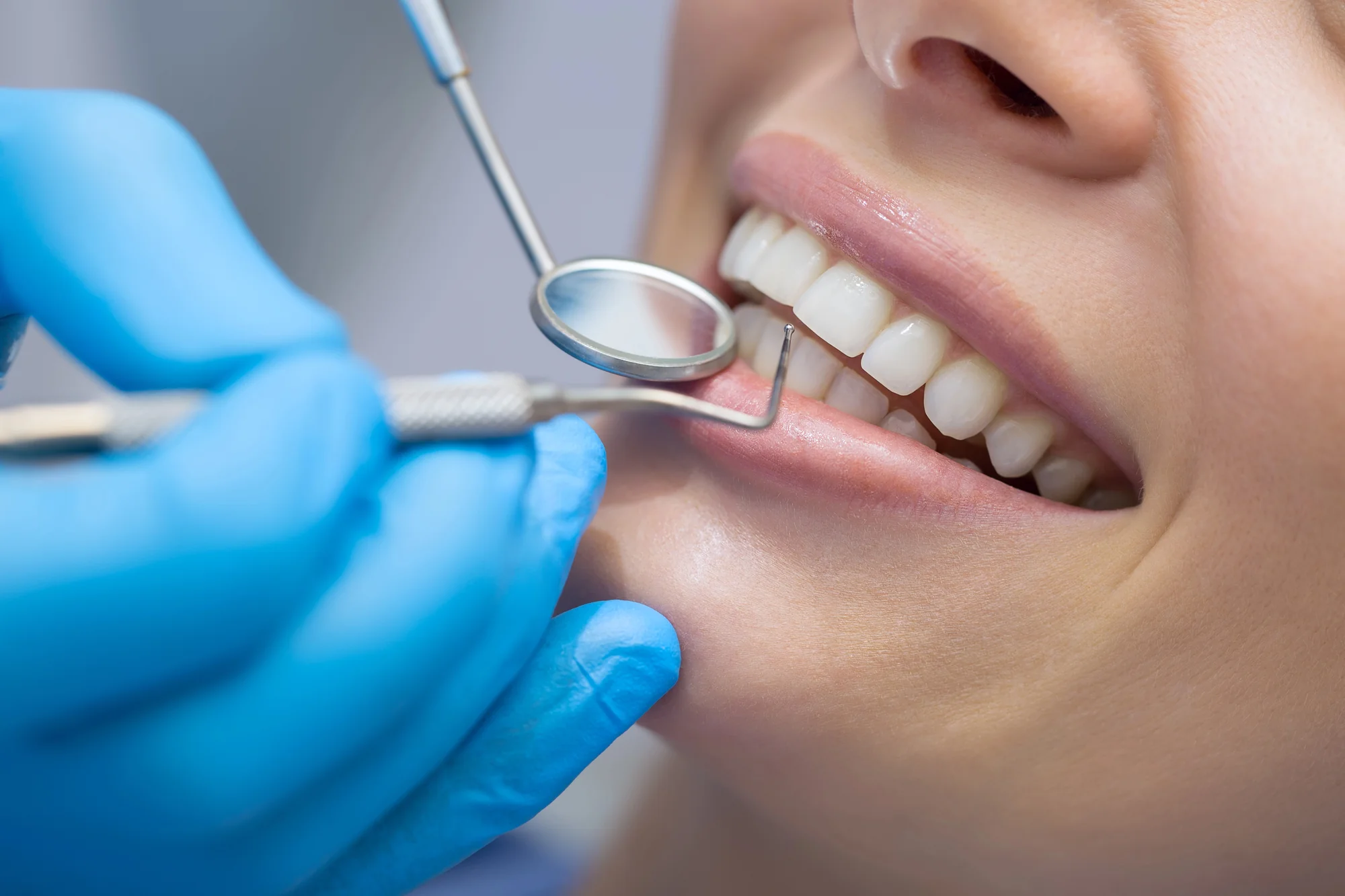
When you schedule an appointment with your dentist, he/she will perform a thorough diagnosis to determine the extent of your tooth fracture. To begin the diagnosis, the dentist will ask a few questions about your observed symptoms and possible causes of the tooth breakage. Then, he/she will:
- Ask you to bite down on a certain dental stick to help determine whether the fracture is painful
- Check the affected tooth for any sign of breakage
- Examine your gums for any sign of inflammation because a vertical fracture could irritate your gums, leading to inflammation
- Put a special staining dye on your affected tooth to see the crack clearly
- Take some digital dental images using X-rays and CT scans to see the fractures clearly
While a general dentist can help treat or repair most dental fracture issues, some severe cases may necessitate specialized treatment. For example, if your tooth fracture is deep and has compromised the inner part of your tooth (pulp), your dentist could refer you to an endodontist for specialized treatment.
Treatment Options for a Broken or Fractured Tooth
The treatment your dentist will recommend will depend on the severity of your tooth fracture. Common treatments your dentist could recommend if you have a broken or fractured tooth include the following:
Dental Bonding
For minor tooth breakages or fractures, your dentist could recommend dental bonding. During this procedure, your dentist will apply a tooth-colored resin to fill the minor cracks and fractures on your teeth. Unless your tooth has a cavity, anesthesia will be unnecessary during this procedure.
Dental Crown
If the fracture extends deep into the pulp chamber of the tooth, your dentist could recommend a dental crown to protect and restore its full functions. Some of the materials your dental technician could use to craft your dental crown include metal, porcelain, and resin.
Root Canal Therapy
If the fracture has reached the pulp chamber of the tooth, leading to infection, root canal therapy could be necessary to remove the infected materials (nerves and blood vessels). Since your tooth becomes weak after a root canal procedure, the dentist could recommend wearing a dental crown to strengthen it.
Dental Veneers
Dental veneers are tailor-made plastic- or porcelain-made shells that your dentist fits over the front surface of your tooth. One of the primary advantages of this treatment is that dental veneers closely mimic the natural color of your teeth. That means they are inconspicuous and often undetectable. When you maintain them properly, the porcelain veneers could last ten (10) to fifteen (15) years.
The number of veneers you will require will depend on the number of affected teeth. If you have a fractured tooth, you will only require one veneer to address the issue. However, if the cause of your tooth fracture is teeth grinding, dental veneers are not an excellent treatment option because this habit will eventually cause the veneers to wear off. To treat bruxism, your dentist could recommend:
- Stress reduction techniques
- Wearing a mouthguard at night while asleep
- Lifestyle changes, especially if the issue is due to alcohol consumption or tobacco smoking
- Medications
Tooth Extraction
For severe tooth fractures, especially those affecting the tooth’s roots, extraction may be necessary. After the removal of the affected tooth, your dentist can help replace it using a dental implant or a dental bridge. A dental implant is a metal post that a dentist surgically places on your jawbone to act as a root for an artificial tooth or a dental crown.
In addition to restoring your chewing and biting functions, a dental implant with an artificial tooth helps restore the aesthetics of your smile.
The duration it takes to treat a fractured tooth will depend on the specific treatment recommended by your dentist. For example, if your dentist recommends a dental veneer, it could take three to four weeks to create your unique veneer.
Helpful Aftercare Tips You Should Observe After Treatment of Broken or Fractured Tooth
After your treatment, you should follow your dentist’s aftercare tips to ensure a quick recovery and prevent any complications. The specific aftercare tips your dentist will offer you will depend on the specific treatment you receive to repair your fractured tooth. Nonetheless, here are common aftercare tips after receiving treatment for a fractured or broken tooth:
- Limit your intake of sugary beverages and foods
- Brush and floss your teeth at least twice daily
- Avoid consuming hard foods that can chip your tooth
- Schedule follow-up appointments as recommended
- Maintain a healthy diet and avoid consuming sticky foods
- Use antibacterial mouthwash to keep cavity-causing plaque at bay
- Wear your custom mouthguard if you grind your teeth at night (bruxism)
While you can prevent teeth fractures by wearing a mouth guard when playing contact sports like rugby, an auto accident might be unavoidable. When you suffer a tooth fracture in an auto accident or a fall, you should treat this issue as an emergency and schedule an appointment with a dentist immediately.
Steps to Take if You Have a Fractured Tooth
What you do immediately after noticing that you have a fractured or broken tooth can minimize any risk of complications before your appointment with a dentist. Here is what to do when that happens to you:
- Rinse your mouth using salty water to keep bacteria at bay
- Avoid chewing food using the affected side
- Take over-the-counter painkillers
- Apply an ice wrapped in a cloth on your cheeks near the affected tooth to reduce any swelling
- Collect and save any broken tooth pieces, if possible
If your tooth is bleeding, you should make an effort to see a dentist as soon as possible to stop the bleeding and offer the necessary treatment.
Find a Credible Dentist Near Me
As mentioned in the previous sentence, a broken or fractured tooth is a dental emergency, requiring immediate medical attention. The sooner you consult with a dentist, the higher the chances of correcting the issue and avoiding further complications.
At Socal Dental of Agoura, we will assess your unique teeth condition and offer the necessary treatment. We invite you to call us at 818-597-0100 to schedule your initial consultation in Agoura Hills with us today.