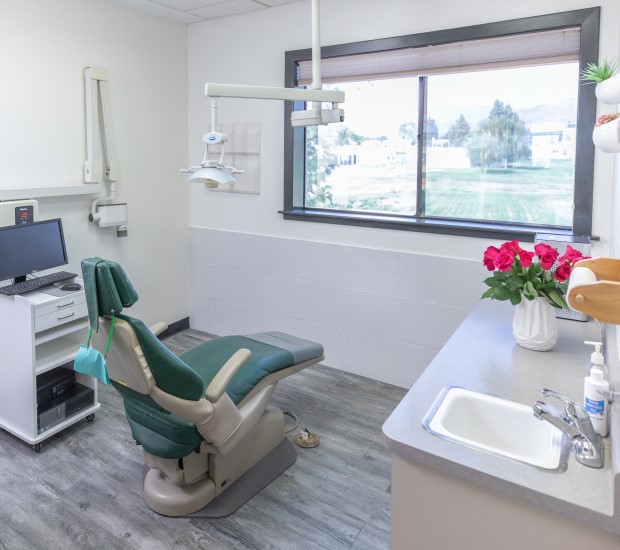
Dental cleaning, commonly called prophylaxis, is essentially a reset button for your oral health. Even though brushing every day is your first line of defense, it is difficult to reach the crevices. Uncontrolled, this accumulation is a breeding ground for bacteria, leading to persistent bad breath, staining, and gum disease.
During a prophylaxis visit, qualified hygienists remove plaque and tartar, polish away surface stains, and help protect your enamel using specialized tools and, when applicable, fluoride treatments. It is a preventive solution that not only maintains your bright smile but also safeguards your systemic health by reducing inflammation associated with heart disease and diabetes.
Do not wait until you experience pain. Book your professional cleaning now and have your smile professionally cared for at SoCal Dental of Agoura.
Why Do You Need a Professional Cleaning?
Maintaining a healthy smile requires understanding the silent transition from a soft film to a rock-hard barrier. You need to differentiate between plaque and tartar (calculus) to take care of your teeth.
Plaque is a sticky, colorless bacterial film that continuously forms on your teeth. It feeds on the sugars and starches in your food and produces acids that wear down tooth enamel. Daily brushing and flossing can dislodge and loosen most of the soft plaque. If you do not remove plaque promptly, it becomes a much bigger problem.
When plaque remains on the tooth surface for 24 to 48 hours, a biological process known as mineralization begins. Your saliva contains minerals, like calcium and phosphate, that are absorbed by the plaque and convert the soft film into tartar, or dental calculus.
Once tartar forms, it creates a rough, porous surface, which serves as a scaffold, and this promotes further plaque buildup and hardening to take place even faster. This cycle speeds up tooth decay and irritates the gum line, which often causes gingivitis.
A common misconception is that the harder you brush or the whiter the whitening pastes you use, the more tartar you can remove. This is physically dangerous and biologically impossible. Your tooth enamel is the hardest substance in the human body. Attempting to remove tartar with vigorous brushing can cause enamel wear (abrasion), leading to sensitivity and irreversible damage, while the tartar clings on.
Tartar is bonded to the tooth. It takes professional dental tools, like ultrasonic scalers and hand-held curettes, and a trained clinician to apply them accurately and effectively to scale or scrape calculus from the teeth without damaging the underlying tooth structure.
You can clean away plaque yourself, but only a dentist can remove tartar. Regular prophylaxis is the only solution that will eliminate the cycle of calculus formation and prevent long-term deterioration.
What to Expect During a Routine Dental Cleaning Appointment
Most patients are more comfortable knowing that there is accuracy and attention to detail in a professional cleaning. A prophylaxis visit is a structured clinical procedure that addresses what your toothbrush cannot. You can expect the following during your visit:
- Preliminary Examination
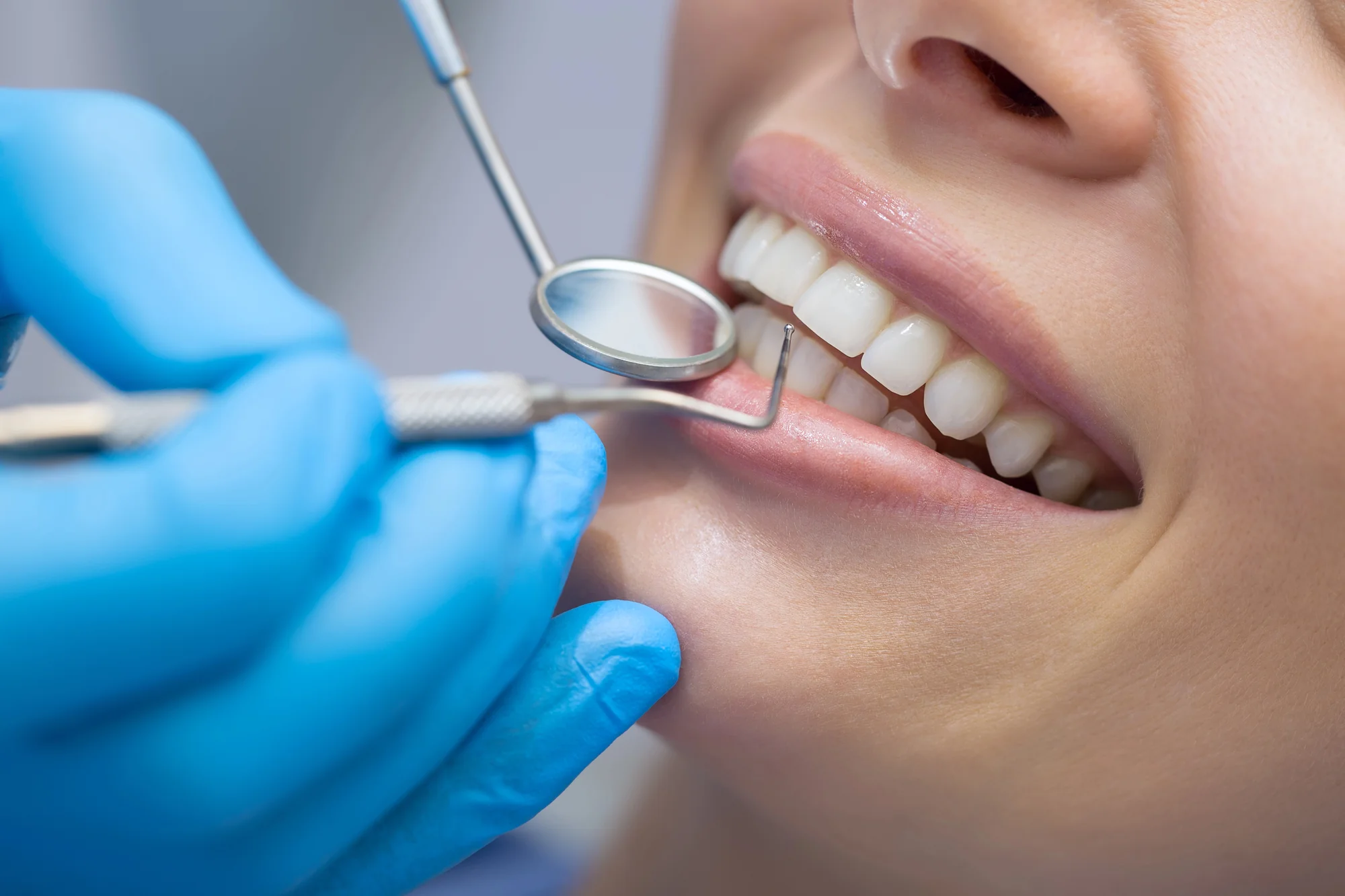
The dental hygienist conducts a short yet comprehensive visual examination before the cleaning begins. They use a small dental mirror to examine the gums and teeth for any signs of decay, inflammation (gingivitis), or other oral health issues. This will make the cleaning process safer and enable the clinician to identify areas that may need additional care due to high tartar levels.
- Scaling (Removal of Deposits)
Scaling is the most sensitive stage of the process. The hygienist uses two main categories of instruments to remove tartar (calculus):
- Ultrasonic scaler — This is a modern device that uses high-frequency vibrations in a localized stream of water. The vibrations essentially break apart large deposits of tartar without damaging enamel, and the water rinse rinses out the debris and cools the tooth.
- Hand instruments (curettes and scalers) — Once the ultrasonic treatment is complete, the hygienist removes the hand instruments to perform fine-detail removal. Those are the tools that can be used to sense touch and ensure that even the tiniest pieces of calculus are removed not only from the “crown” of the tooth but also slightly under the gumline, where bacteria can be found.
- Professional Polishing
When the hard deposits are depleted, the focus then shifts to polishing and protecting the enamel. The hygienist applies prophy paste using a low-speed handpiece with a soft rubber cup. This paste is gritty, like sand, and can therefore gently remove extrinsic stains left by coffee, tea, or tobacco.
- Expert Flossing
Some microscopic debris or prophy paste may stick between the teeth, even with professional tools. The hygienist carries out a period of professional flossing, which extends deep in the interproximal areas. This not only removes any leftover material but also serves as a final check to ensure there are no obstructions or rough spots left between your teeth.
The Difference Between Prophylaxis and Deep Cleaning (SRP)
You may show up for a regular check-up, only to find your teeth need a professional deep cleaning instead. Although the two procedures are similar in that they entail removing debris, they have different biological functions depending on the prevailing condition of your supporting bone and gum tissue. To understand the shift from preventive care to active therapy, you have to examine where the bacteria are and how you respond to them.
Standard prophylaxis (Dental Code D1110) will serve as your first line of defense when your oral environment is healthy or when there is mild, reversible gingivitis. In this session, the hygienist is focused on the clinical crown, the visible part of your tooth, to disrupt plaque and clear tartar above the gumline. Since the connection between your gum and your tooth is intact and not loose, the treatment focuses on maintenance. Therefore, the bacterial colonies do not spread further into your supporting structures.
Once bacteria get past this first line of defense, they lodge in the pockets between your tooth and the soft tissue, leading to a condition called periodontitis. At this point, a regular cleaning will not do the job, as it cannot reach the pathogens deep beneath your gumline. This results in your treatment plan shifting to scaling and root planing (SRP), which is a type of therapeutic intervention that is specifically aimed at helping manage and slow bone loss and tissue damage.
During this deep cleaning, the clinician carefully debrides the root surfaces well below your visible gumline. The procedure removes toxic deposits, polishes the root surface to create a biocompatible surface, and stimulates your gums to heal and reattach. In comparison to the prophylactic effect of prophylaxis, SRP typically needs local anesthesia to ensure you feel comfortable as the clinician reaches these sensitive, infected places to preserve the supporting structures of your teeth.
The decision between the two treatments can be based on whether there is an infection, rather than on a mere desire for a thorough cleaning. Your routine six-month prophylaxis serves as a protective measure to prevent deep bacterial infiltration, which would require more intensive SRP treatment. With regular appointments, you will maintain a good balance and avoid more complex measures that are necessary for treating advanced periodontal disease.
The Health Benefits of Prophylaxis
You will probably like the slick, shiny appearance of your teeth after a prophylaxis visit. However, the true value of this procedure lies below the surface. Frequent cleanings are an important part of your treatment that help safeguard your entire body, not just your smile. By removing bacterial buildup unreachable by brushing, you trigger a cascade of health benefits that go much deeper than mere appearances.
Some of the common benefits include the following:
- Prevention of Cavities
The short-term benefit is the prevention of dental caries. With the removal of calcified tartar and acidic plaque, you prevent the decay process before it can infiltrate your enamel and penetrate the underlying dentin. This preventive treatment spares you the pain and cost of future fillings, crowns, or root canals.
- Treatment of Early Gum Disease
The only sure way to treat early gum inflammation, which is called gingivitis, is a professional cleaning. Your body is finally given a chance to heal the redness and swelling when your hygienist removes the hard irritants at the gumline. This mechanical debridement helps reverse early-stage disease before it becomes irreversible and progresses to bone loss.
- Eliminating the Cause of Bad Breath
Other than the health of your enamel, this is an effective treatment for chronic halitosis. Most lingering odors are due to volatile sulfur compounds produced by bacteria that dwell in hard-to-reach crevices and along your gumline. These bacterial colonies can be eradicated with a professional reset, which will give the mouth a certain degree of freshness that can only be achieved temporarily with mouthwash and mints.
- Protecting Your Heart and Systemic Health
Most importantly, regular dental cleanings support your overall health by connecting your mouth and body. Science increasingly shows that chronic oral inflammation lets the bad bacteria get into your blood, and thus:
- Predisposes you to other illnesses, like heart disease
- Makes diabetes harder to control
Cleaning your mouth every six months lowers inflammation in your whole body, which helps your heart and immune system stay strong.
Is Dental Cleaning Painful?
A fear of pain is the main reason patients avoid going to the dentist. However, a professional prophylaxis is usually painless and a routine procedure.
The main sounds you will hear during cleaning are scraping and a slight pressure as the clinician removes debris. Although these sensory signals may be strange or even shocking initially, it does not mean that something is wrong with your teeth. Rather, these are the sounds and sensations that tell you that the hardened tartar, which has chemically coagulated to your enamel, has been effectively removed by mechanical means. Any amount of home brushing cannot remove hardened tartar.
When the procedure is uncomfortable, the underlying cause is likely your current oral health, not the tools. When your gums are inflamed by gingivitis, the soft tissue will be hypersensitive, tender, and prone to bleeding when touched. This inflammation makes dental instruments feel more invasive than they do on pink, healthy tissue. Moreover, when you have undergone gum recession, exposing your teeth roots, you may experience sharp sensitivity. They are acute, momentary bursts of sensitivity caused by the cold water of the ultrasonic scaler or by instruments contacting the porous dentin of the root, which lacks a protective coating of enamel.
You never have to “tough it out” or sit through discomfort during your appointment. In modern dentistry, there are several proactive options to control your comfort and have a relaxing experience. These include:
- Topical numbing gels — If you have a low pain threshold or sensitive gums, your hygienist can use a needle-free topical anesthetic gel. The gel is effective in desensitizing the soft tissue margins before the commencement of scaling, ensuring the instruments are well desensitized.
- Ultrasonic equipment adjustments — The clinician can usually adjust the water temperature on the ultrasonic scaler for patients sensitive to temperature changes. They can reduce the thermal shock to sensitive nerves by heating the water or adjusting the vibration frequency.
- Manual instrumentation — You may ask the hygienist to use manual hand instruments (curettes) during cleaning if the noise or vibration of the ultrasonic scaler makes you anxious. This is a traditional technique in which it is silent, with pressure that can be very localized and very controlled.
- Active communication and control — You can just tell your hygienist which parts of your mouth are sensitive, and he/she can adjust his/her technique. You may even establish a hand signal to demand a break, so you are never left feeling you are not in control of the speed of the process.
When you address the underlying inflammation with regular professional cleanings, you will notice that each subsequent visit is much more comfortable. Since healthy, firm gum tissue is painless when receiving a cleaning, the best way to ensure that you are guaranteed a pain-free future in dental care is to continue with your prophylaxis.
How Often Should You Get a Teeth Cleaning?
Maintaining a bright smile is not merely a matter of aesthetics but a crucial part of preventive dental care. Although brushing and flossing every day is your first line of defense, you need to have it professionally treated to address the unseen.
The ideal case is the 6-month dental visit by the average patient. This is a timeline based on the biological reality of oral bacteria. Despite vigorous home care, the plaque eventually hardens into tartar (calculus) and cannot be eliminated with a toothbrush. When allowed to accumulate over a longer period, tartar is a major factor in tooth decay and gum disease.
The “twice-a-year” rule is not universal. Some people may need more frequent cleanings, 3 or 4 times a year, to stay healthy. These include the following:
- Pregnant patients — Changes in hormones during pregnancy may cause pregnancy gingivitis. This condition causes gum tissues to be more sensitive to bacteria, which predisposes them to swelling and bleeding. Regular cleanings are useful in controlling this temporary sensitivity and safeguarding the health of mother and baby.
- Diabetes—Gum health is two-way related to blood sugar. Severe periodontal disease is more likely to occur in patients with diabetes. On the other hand, active gum infections could complicate glucose regulation to the point that it becomes extremely difficult. More frequent professional care is an important tool in managing diabetes.
- Chronic tartar buildup — Others naturally have an elevated amount of calcium and phosphate in their saliva. This leads to plaque mineralization becoming rock-hard tartar faster than normal. If you fall in this category, six months may cause considerable gum irritation, necessitating quarterly visits.
Other than these special populations, people who have a history of tobacco use or those with a dry mouth (xerostomia) due to some medications should also think about a more aggressive schedule. Plaque is more corrosive to tooth enamel when saliva flow does not provide the buffering power it needs. Increasing the frequency of professional intervention will put you in a more proactive mode rather than a reactive one. From a reactive approach, you will end up fixing the damage after it has been done. On the other hand, a reactive approach means addressing inflammation before it can have a systemic effect or necessitate more invasive, expensive treatments like root planning or gum surgery.
The good news is that most PPO dental plans focus on preventive care. In most cases, insurance companies also cover preventive cleanings at 100% twice a year. With these advantages, you will not only safeguard your oral health but also save a lot of money that would otherwise be spent on complex gum disease treatment or future restorative treatments.
Find an Agoura Hill Dentist Near Me
Think of a professional dental cleaning as a reset button for your oral health. Although brushing your teeth every day is your initial line of defense, prophylaxis reaches the recalcitrant plaque and tartar that can be missed even by the best electric toothbrush. When you prioritize these visits, you not only put a smile on your face but also you avoid systemic inflammation and expensive future surgeries.
Do not wait until a toothache signals a problem. Take a positive action towards a healthier, more confident you now. Call SoCal Dental of Agoura today at 818-597-0100 to schedule your professional cleaning.