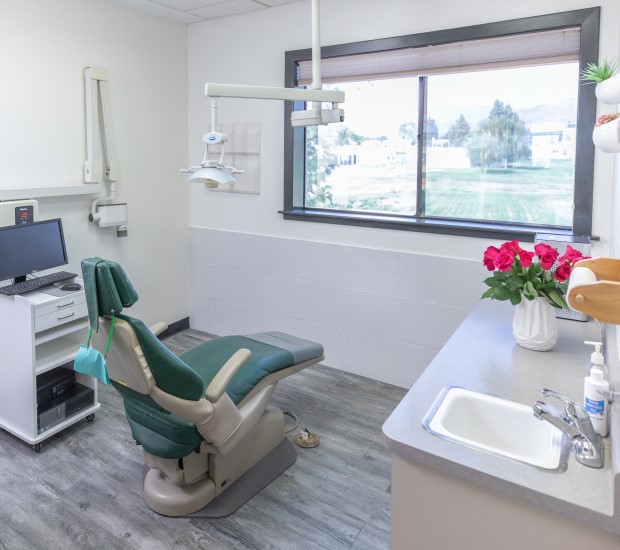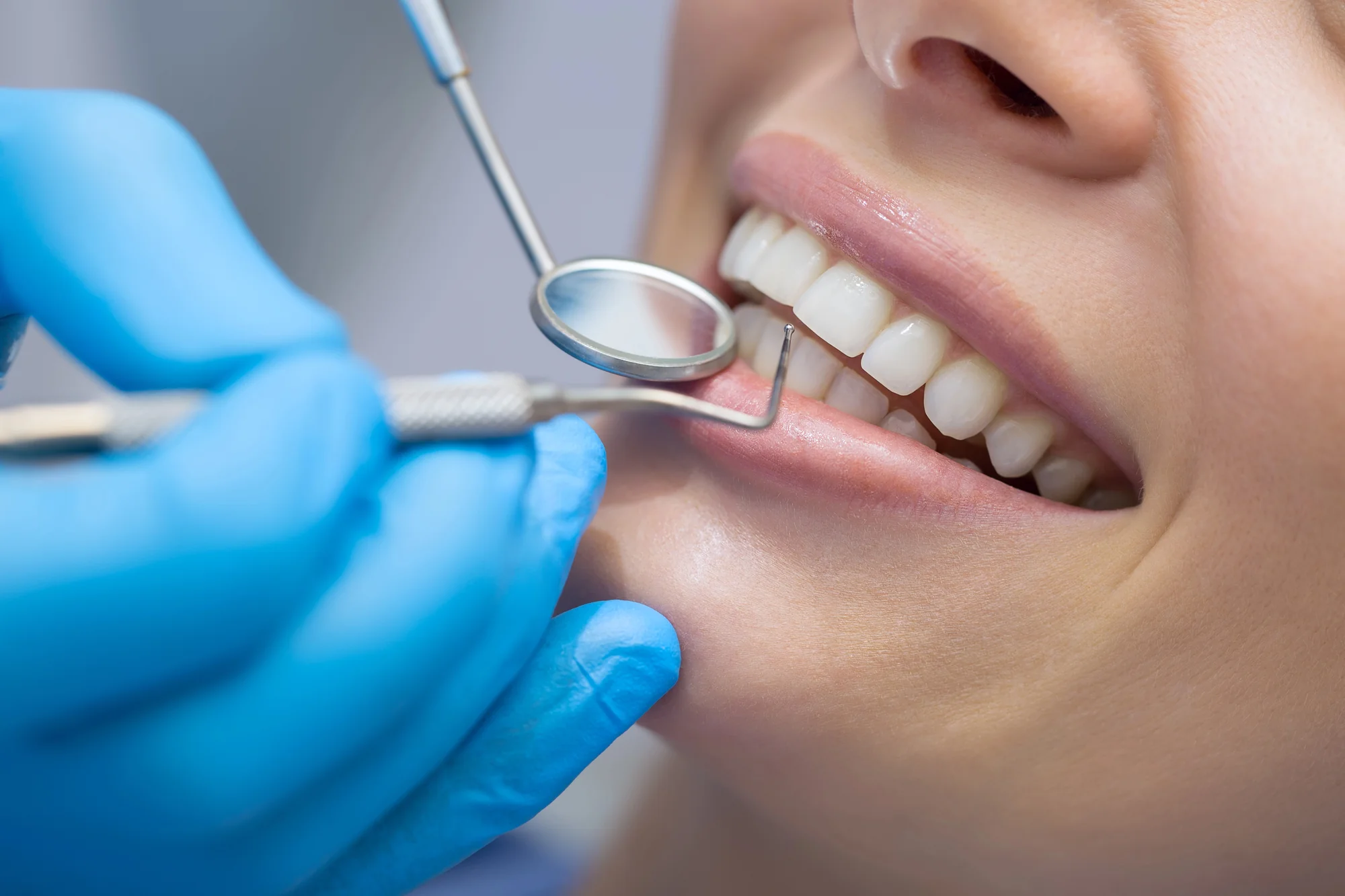
General dentistry is the foundation of a healthy smile, offering a broad spectrum of services to prevent, diagnose, and treat common dental issues. Consider a general dentist as your oral health primary care provider, someone you visit regularly so they can do check-ups and cleanings to keep your teeth and gums healthy. They are also the first line of defense against diseases like cavities, gum disease, and tooth decay.
These dentists perform basic procedures, including fillings, root canals, and extractions, and can also provide cosmetic services like teeth whitening. General dentists can become educators and empower patients by emphasizing preventive care and patient education. They are important in helping patients achieve a long-lasting and beautiful smile.
If you are looking for general dentistry services in the Agoura Hills area, contact SoCal Dental of Agoura. We are ready to help every step of the way. First, let us look at what you can expect from general dentistry services.
The Three Pillars of General Dentistry
General dentistry is the foundation of oral health, which is composed of three pillars, namely:
- Preventive care
- Restorative services
- Cosmetic services
A general dentist is your primary oral care provider, dedicated to keeping your smile healthy, functional, and beautiful.
- Preventive Services
General dentistry is founded on preventive care, which aims to prevent dental problems before they occur. These services are important for a healthy, lasting smile, so visit your dentist regularly.
Routine Exams and Cleanings
In a routine check-up, your dentist will thoroughly examine your teeth, gums, and mouth to detect any indication of decay, gum disease, or other oral health issues. This often involves a professional cleaning, where a dental hygienist may clean the plaque and tartar deposits off your teeth. This plaque is one of the leading causes of cavities and gum disease, and it cannot be eliminated by simple brushing and flossing.
Dental X-ray Services
Dental X-rays, or radiographs, are an essential diagnostic tool. They give a clear picture of your teeth, roots, jawbone, and the tissues around it, exposing problems that the eye cannot observe. They may involve tooth cavities, wisdom teeth that are impacted, bone loss due to gum disease, and abscesses.
Fluoride Treatments and Dental Sealants
Fluoride treatments are an easy, effective method of hardening tooth enamel and making it more resistant to decay. This is particularly helpful to children and high-cavity-prone individuals. Dental sealants are thin protective coatings placed on the chewing surfaces of the back teeth (molars and premolars). They serve as a shield, closing the deep fissures in which food particles and bacteria can easily become trapped, significantly decreasing the possibility of cavities in these susceptible regions.
- Restorative Services
Restorative services are the second line of defense, which would repair the damage and restore the working capacity of your teeth when a problem occurs. Some of the services under this category include:
Fillings
The most common restorative procedure is filling, which is used to restore a tooth that has decayed. The hole left after the dentist removes the decayed part is filled with a restorative material. It has two main types:
- Amalgam fillings — These consist of a combination of metals and are strong and durable, hence a good option for the back teeth.
- Composite fillings — These are made from tooth-colored resin and are suitable for front teeth or patients seeking a more natural appearance.
Crowns and Bridges
A dental crown is a cap fitted on a broken or weak tooth. The crown procedure takes two appointments.
In the initial visit, the dentist clears the tooth by shaving down a part of its outer surface to accommodate the crown. An impression is made, which is submitted to a dental lab to create the custom-fitting crown. A temporary crown is put on to protect the tooth in the interim. During the second visit, the permanent crown is attached or cemented back in place, and the tooth regains its shape, size, strength, and appearance.
A dental bridge is a means to fill the gap of one or more teeth. It has two crowns, left and right of the gap, and a fake tooth (pontic) in the middle.
Dentures
For patients who have lost several teeth, dentures provide a removable and reversible method of restoring the functionality and aesthetics of the teeth. Complete dentures cover a whole arch of teeth, whereas partial dentures cover only some of the missing teeth.
Root Canal Therapy
A root canal may be needed when the pulp, or center of the tooth, is infected or inflamed. The pulp is where nerves and blood vessels are found. The endodontic process is done by removing the infected or inflamed pulp, cleaning and disinfecting the inside of the tooth, and filling and sealing it. Afterward, a crown is usually used to cover the now brittle tooth to prevent additional damage.
- Cosmetic Services
Most general dentists also provide cosmetic services to improve the beauty of your smile. The typical cosmetic procedures include:
- Professional teeth whitening — This procedure is one of the most popular and effective methods of making your teeth lighter and stain-free. A general dentist can offer in-office or take-home kits for a brighter, more vibrant smile.
- Porcelain veneers — Veneers are thin, custom-made shells of porcelain cemented to the front surface of teeth to rectify problems like discoloration, chips, slight misalignment, or gaps.
- Dental bonding — This procedure involves the dentist applying a tooth-colored resin material to a chipped tooth to fill a small gap or alter the shape of a tooth.
Who Should You Call, a General Dentist or a Specialist?
General dentists are the primary care providers for your oral health, are in charge of all issues related to your oral health, and coordinate special care when needed. Their services include various preventive and restorative procedures, including routine check-ups and cleanings, fillings, and crowns. However, a general dentist will refer you to a specialist for more complex or specialized dental conditions. This type of teamwork guarantees the most suitable and efficient dental care for each dental problem.
The difference between the general dentist and the specialist is the scope of practice. Although a general dentist has an extensive background, a specialist has gone through extra postgraduate schooling in a particular field of dentistry. Knowing what these specialists do can guide you in your dental care.
An orthodontist, for example, deals with correcting irregularities in teeth and the face by correcting the misalignment of teeth and jaws using braces or aligners. On the other hand, endodontists are specialists in diagnosing and treating dental pulp diseases and often provide complex root canal treatment. When a general dentist encounters a root canal that has a very complex anatomy, he/she can refer the patient to an endodontist because he/she has the expertise.
Moreover, a periodontist is a specialist in preventing, diagnosing, and treating gum disease and other ailments of the supporting structures of the teeth. A general dentist would usually refer the patient to a periodontist for specialized treatment when the disease progresses to advanced gum disease, or periodontitis.
Furthermore, an oral and maxillofacial surgeon has been trained to do several surgeries, including extracting wisdom teeth, installing dental implants, and performing surgery on the jaw. When these special surgical procedures are necessary, a general dentist will facilitate a referral to an oral surgeon.
This organized care system ensures that patients are treated by experts who address their specific needs, and the general dentist is the point of contact.
What is Involved During a Dental Check-up
Familiarity with the dental check-up process can help relieve anxiety and turn an unfamiliar experience into a predictable, comfortable routine. The usual visit is an elaborate procedure that evaluates your oral health, solves any issues, and empowers you with the skills required to keep your smile healthy. Splitting the visit into understandable steps will make you feel more organized and ready to visit. Here is what you can expect when you see your dentist:
Initial Intake and Medical History
The appointment will start with the administrative basics: the first paperwork and the overview of your medical history. This is a necessary initial step since most systemic health conditions and medications may directly affect oral health.
You will be required to give details of any chronic diseases, recent operations, allergies, and drugs you are currently on. This comprehensive history enables the dental team to adjust their treatment to your requirements and ensure your safety during treatment.
Digital X-Ray Evaluations
After the initial intake, the dental assistant will undergo a series of X-rays. Dental radiographs are a necessary diagnostic tool since they provide a clear picture of the teeth, root, and jawbone, which cannot be seen through visual inspection. These visuals may detect underlying problems like cavity formation between teeth, loss of bone to gum disease, and impaction of teeth.
Modern digital X-rays expose patients to minimal radiation and give high-resolution images to diagnose correctly.
The Professional Cleaning
The next phase of your visit is a professional cleaning, which a dental hygienist does. The hygienist will start by scaling using special tools to carefully scrape off plaque and hardened tartar (calculus) on the surfaces of your teeth and just below the gum line. This is an essential procedure because tartar deposits may cause gum disease when left unattended.
After scaling, the hygienist will polish your teeth to eliminate any excess surface stains, and your teeth will feel incredibly smooth and clean. The professional cleaning ends with good flossing, leaving no traces of debris stuck between your teeth. All this makes your mouth feel clean and is essential in preventing cavities and long-term gum and tooth health.
The Dentist’s Examination
The examination by the dentist is the most detailed and critical aspect of your dental check-up. This phase of the appointment is much more than a simple visual inspection. The dentist will assess every element of your oral health to ensure nothing has been missed.
During the examination, the dentist thoroughly inspects every tooth and looks for any signs of decay or excessive wear. They will also determine the condition of any fillings, crowns, or other restorations, checking whether they are chipped, cracked, or showing signs of breakdown that would weaken the tooth.
One of the most critical parts of this test is assessing your gum health. The dentist does periodontal charting by measuring the depth of the gum pockets around each tooth with a small probe. Healthy gums are shallow in the pocket, and deeper measurements may point to gum disease (gingivitis or periodontitis).
Other essential parts of your mouth are also checked. The dentist will examine your bite or occlusion to measure how your upper and lower teeth fit together. They will also assess the existence of bruxism, which is a condition that involves teeth grinding, and this may cause pain and wear of the teeth.
A comprehensive oral cancer screening is, perhaps most importantly, an essential part of the check-up. The dentist will look at all the soft tissues of your mouth, like the lips, tongue, cheeks, floor of the mouth, and throat, in search of any suspicious sores, lumps, or discoloration. This screening is not invasive but is an important procedure in the early detection of oral cancer, which can significantly enhance treatment outcomes.
This all-encompassing method will give your dentist a complete understanding of your oral health, including both hard and soft tissues of teeth and mouth, and provide a basis for proper diagnosis and possible treatment planning.
Treatment Planning and Consultation
An appointment will end with a treatment planning and consultation appointment. All information derived from the X-rays and the examination will be discussed by the dentist, who will explain the condition of your oral health in clear and understandable terms. If they detect any problems, they discuss the recommended treatment, its advantages, and alternatives. This mutual dialogue will give you all the information required to make informed decisions regarding your dental care, creating a partnership committed to keeping you healthy.
Your Guide to Choosing the Right General Dentist
Identifying the right general dentist is a crucial step towards the oral wellness of your family. An excellent dental practice should be more than a place you visit twice a year. It must be a part of your long-term wellness. When you start looking to change your current provider, there are a few things to remember to make sure you find a dentist that fits your needs, namely:
Logistics and Convenience
The first is the logistical aspects of the practice. The dentist’s office must be near your residence or workplace and convenient to your schedule. You also need to inquire about their emergency care policy in case of unexpected problems like a chipped tooth or acute pain. A dental practice with after-hours contact or a specific protocol for handling an emergency gives peace of mind.
Financial and Insurance Matters
You should learn the financial aspect of the practice. Ask about the types of insurance they accept, whether they are in-network with your specific plan (PPO vs. HMO), and how they handle billing. Other practices have payment plans in-house or third-party financing opportunities for larger procedures that can help make larger dental work more manageable. You will also be interested in knowing their co-pay and deductible policy in advance so that you are not surprised.
Expertise and Philosophy of Care
Moreover, research the dentist’s ability and general philosophy of care. Seek out a practice with an aggressive approach to preventive care involving patient education and early treatment. Inquire about the dentist, his/her dedication to continuing education, and the kind of technology he/she applies in the office, whether digital X-rays or intraoral cameras. These facts are usually indicators of a contemporary practice that is committed to quality care.
Office Environment and Staff
The last thing to consider is the office itself. The office’s cleanliness and the staff’s cordiality can significantly affect your experience. Other patients can be a great source of information. Reading their reviews online can provide a good idea of the practice’s atmosphere and the dentist’s chairside manner. The reviews will allow you to determine patients’ level of care and satisfaction even before you enter the door.
The Best At-Home Oral Health Practices
A healthy and beautiful smile results from regular dental checkups and is a testament to an efficient and consistent at-home oral health care regimen. The most crucial factor in preventing cavities, gum disease, and other dental issues is your daily routine between appointments. With a few simple skills and decision-making, you can arm yourself to have excellent oral health day after day.
Brushing
An effective brushing method is the key to a good routine. Dentists highly recommend the Modified Bass technique. In this technique, the toothbrush is placed at a 45-degree angle to the gums and is used to clean the teeth’s outer, inner, and chewing surfaces with short back-and-forth and circular motions. The trick is to brush thoroughly but gently, because harsh brushing can damage your gums and tooth enamel.
Brushing should be done twice daily with a soft-bristle brush, which should take two minutes.
Flossing
In addition to brushing, flossing is essential to cleaning the spaces between your teeth and under the gum, which are inaccessible to your toothbrush. The debate around flossing usually concerns the method rather than the necessity of the act. Curve the floss like a C against each tooth and move up and down to floss properly.
Although the conventional string floss is very effective, other tools like water flossers can also be a perfect choice, particularly for those with braces or dental work, because they utilize a stream of water to remove debris.
Have a Proper Diet
In addition, what you eat determines your oral health a great deal. Some foods beneficial to your teeth are crunchy fruits and vegetables, including carrots and celery, which encourage the production of saliva that washes away food particles. Eating dairy and reducing sugar-filled foods like soda, candy, and citrus fruits is also good because they lead to enamel erosion and caries.
Use a Mouthwash
Adding mouthwash to your dental routine will expose you to its benefits. An antiseptic rinse will aid in lowering the bacteria that create plaque and bad breath, and a fluoride rinse will harden your tooth enamel, offering an additional safeguard against cavities. Mouthwash can be used once or twice a day following brushing and flossing so that all parts of the mouth can be reached, leaving your smile feeling fresh and clean.
Technology and Innovations Within General Dentistry
General dentistry has changed immensely, and modern technology and innovation have revolutionized the experience of the patients. The innovations allow superior diagnosis, minimally invasive procedures, and more productive meetings. The current dental clinics are taking advantage of the latest technologies to deliver more quality services and instill more confidence in patients.
Digital imaging has revolutionized how dentists diagnose and plan treatments. The main benefit of digital X-rays compared to traditional film is that they have high resolution and instant images, and reduce radiation by up to 90 percent. This enables a better image to see the underlying problems of cavities and bone loss. Likewise, intraoral cameras give a magnified, real-time image of the inside of the mouth of the patient so that the patient can know his/her oral health status firsthand. It is a strong patient education tool because the dentist can demonstrate what he/she sees.
In addition to imaging, new technologies have led to faster and more comfortable procedures. For example, CAD/CAM technology has enabled same-day crowns. In this procedure, a digital scanner is used to make a three-dimensional model of the prepared tooth by the dentist. This model can then be used to mill a custom-fit crown directly in the office, which obviates the need for a temporary crown and a second appointment.
Laser dentistry is another innovation where a focused light is used to carry out numerous operations, including the treatment of gum disease and removing soft tissue. Lasers are less invasive and, in many cases, more painless than traditional tools and can lead to quicker healing and less bleeding.
Furthermore, the emergence of teledentistry has increased the availability of dental services. Remote consultation and follow-up are also possible with this technology, especially when it comes to routine questions or follow-ups after surgery. Although it does not substitute physical visits when it comes to procedures, teledentistry will give patients a convenient means of communicating with their dentist, reinforcing that modern dentistry is more patient-centered than ever.
Find a General Dentist Near Me
General dentistry is not just a sequence of visits. It is a collaboration in lifelong oral health. Whether it is the preventative cleanings to prevent future issues or restorative procedures to correct the present, your general dentist is your main source of knowledge on how to achieve a healthy smile. They are your frontline of defense, your source of professional care, and the designer of your dental health.
Call SoCal Dental of Agoura at 818-597-0100 to schedule your next dental appointment in the Agoura Hills area.