Maintaining the structural integrity of your molars is difficult because standard brushing often cannot reach their deep, microscopic pits and fissures. Families usually face the problem of dental caries in adults and children alike, which is a major chronic health concern despite regular brushing. When you consider that the bristles of a toothbrush are often too thick to fit in the small crevices within which bacteria hide, it becomes obvious why a professional preventive solution is necessary.
SoCal Dental of Agoura offers quality dental sealants to protect against bacterial infection and acid erosion to families across Agoura Hills. Sealants are a non-invasive treatment that provides a highly advanced clinical shield, ensuring your teeth are protected even during the most vulnerable developmental stages. To avoid the cost of future restorative treatment and actively protect your teeth, schedule an appointment with us today for a professional dental check-up and to determine your eligibility for dental sealants.
What Are Dental Sealants?
When you observe the complex topography of your mouth, you notice that your premolar and molar structures comprise complicated grooves and pits. These anatomical structures help grind food during mastication, but they are also a major weakness for your oral health. Dental sealants are professionally applied, thin protective layers used to block these vulnerable areas physically.
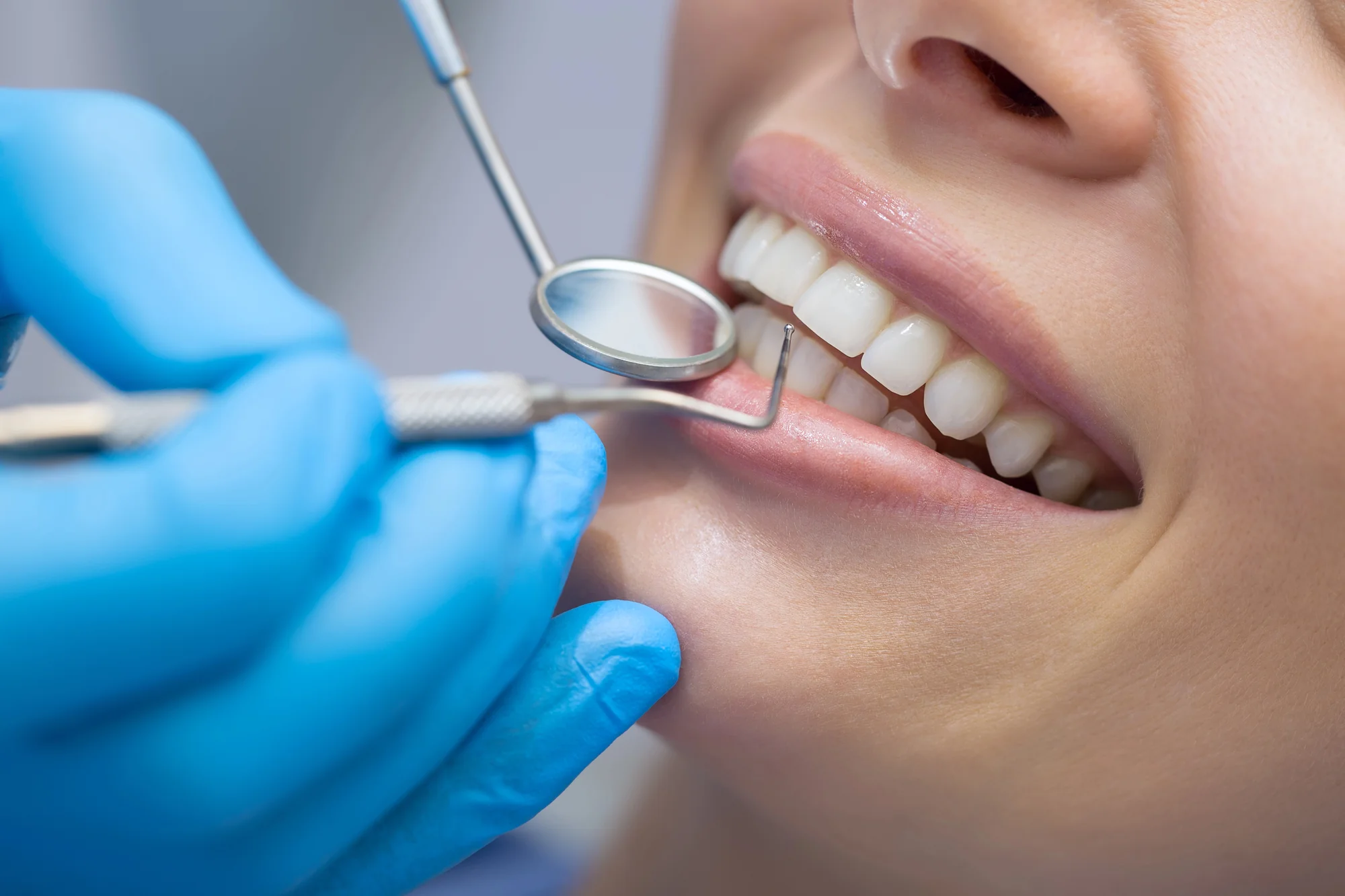
These sealants are typically made of a medical-grade resin or a glass ionomer compound and are simply painted directly on the chewing surfaces of your back teeth. When the material is applied, it rapidly bonds to the depressions in the enamel and hardens to create a permanent, smooth shield. This treatment keeps the nooks and crannies of your molars dry and protected from bacterial fermentation, which causes decay.
Resin vs. Glass Ionomer
Modern sealants are made from materials developed over decades of dental innovation and materials science. Resin-based sealants are the most popular in general dentistry because of their superior durability and retention rates. These resins are usually prepared using a plastic compound that matches the natural shade of your teeth; hence, the coating is not visible to the naked eye.
Glass ionomer sealants, on the contrary, are made from a mixture of glass powder and an acid-soluble (polyalkenoic acid) water-soluble resin. Although these are less effective in the long run for retention, they have the clinical benefit of providing fluoride to the immediate tooth structure. While the physical barrier of a glass ionomer sealant may eventually wear down, its ability to release fluoride chemically fortifies your enamel against future decay. Your dentist will decide on the ideal material based on your tooth anatomy and risk profile.
How Sealants Act as a “Raincoat” for Teeth
To understand the protective mechanism of a sealant, think about the microscopic environment in your mouth. When you eat sugary or starchy foods, the bacteria in your oral biofilm, namely Streptococcus mutans, produce acidic waste products. When these acids get into the deep grooves of your molars, they start to demineralize your enamel and ultimately leave a hole.
Applying sealants prevents up to 80% of cavities in the first two years, significantly reducing the risk of decay in schoolchildren. The sealant forms a hydrophobic barrier, preventing food particles and bacteria that produce acids from coming into contact with the tooth surface. As a result, the surface structure of your tooth is radically altered from a trap-like texture to a smooth, easy-to-clean texture that prevents the attack of undesirable bacteria.
What is the Ideal Candidate for Sealants?
To know when to use dental sealants, you need to know the pattern of tooth eruption and the risk factors that are unique to you. The clinical consensus will lean heavily towards early intervention to maximize the preventive effect of the treatment, but the benefits are by no means confined to children.
The main aim is to protect the permanent molars immediately when they come out of the gingival tissue, such that the grooves are covered before the decay process begins. The immediate application of a sealant provides a new beginning for long-term health, since newly developed teeth have not been subjected to years of dietary sugars and bacterial colonization.
The 6- and 12-Year Window
Two milestones are crucial when prioritizing sealants for your children. The initial permanent molars usually come in at age six, and the second set at age twelve. These are the most vulnerable years for dental caries in children, as they have yet to master manual dexterity for brushing and flossing.
The Centers for Disease Control and Prevention (CDC) statistics show that unsealed children have nearly three times as many cavities in their first molars as sealed children. When you use pediatric sealants in these particular windows, you are giving your child a clinical safety net, which safeguards their enamel in the most cavity-prone years of their lives, which are usually between the ages of 6 and 14.
Sealing Natural Enamel in Adulthood
Although most people assume sealants are used only on pediatric patients, they offer significant advantages for adults. If you have deep molar fissures but your teeth are currently free of fillings or decay, you are an ideal candidate for sealants. Clinical evidence shows that the risk of dental caries does not decrease with age.
In fact, many adults face a higher risk due to dietary changes, medications that cause dry mouth, or the natural aging process. Sealants are especially helpful for adults with xerostomia (dry mouth), as the absence of protective saliva greatly increases the rate of decay. When the surface of your teeth is clean and healthy, and you do not have any restorations placed on them, a sealant will serve as a long-term insurance policy for your natural smile.
Special Cases in Baby Teeth and High-Risk Patients
In some special cases, your dentist may suggest the use of sealants on primary (baby) teeth. Although these teeth will later fall out, they are very important placeholders for the permanent teeth that will come later. If a primary molar is prematurely lost due to severe decay, it may lead to significant alignment problems and costly orthodontic treatment later.
Thus, when your child has unusually large pits and grooves in the primary teeth or a history of high cavity incidence, it is a prudent and strategic step to seal these teeth. Moreover, sealants can serve as a major protective measure for patients with physical or developmental disabilities who may have difficulty with routine oral care. This preventive measure will maintain a healthy oral environment despite the patient’s hygiene issues.
What to Expect During The Clinical Application Process
Applying dental sealants is incredibly easy and considered one of the least painful procedures in general dentistry. During your appointment at the office, you will discover that the entire procedure takes just a few minutes per tooth and involves no invasive procedures.
There is no need to worry about administering local anesthesia or using a dental drill, as your tooth structure will not be damaged during the procedure. The process is so mild that it usually becomes the initial non-examination experience of young children, which assists in developing a positive and stress-free association with the dental office.
Cleaning and Preparation
The procedure begins with a thorough cleaning of the target teeth to ensure the surface is free of plaque, food particles, and bacteria. Your dental professional will use a special prophylaxis paste and a rotating brush to clean the deep grooves of your molars and eliminate surface plaque, food debris, and latent bacteria. This is a crucial task, as any organic substance trapped may weaken the bond between the sealant and your enamel.
After cleaning the teeth, the dentist will rinse them with water and dry them carefully. The next step is to isolate the teeth with cotton rolls or dental dams to prevent saliva from contaminating the surface, since moisture is the major adversary of a successful sealant bond.
The Etching and Bonding Stage
The teeth are then isolated and dried, and a mild etching solution is applied to the chewing surfaces for a brief period. This is a solution of phosphoric acid, which is usually in dilute form, and it is used to roughen the surface of the enamel microscopically. The effect of this process is a textured topography with many small pores, which is required to enable a strong mechanical bond with the sealant material.
After 20 to 60 seconds, the etching gel is rinsed off, and the tooth is dried again with a pressurized air nozzle. At this stage, you can observe that the enamel is dull, white, and chalky, which is the clinical sign that the tooth is prepared to accept the protective resin.
Curing the Sealant for Immediate Protection
The last step is to apply the liquid sealant resin into the ready pits and fissures of your teeth. The material is formulated with low viscosity, allowing it to flow deep into the smallest grooves that a single toothbrush bristle cannot reach. After the material is placed in the right position and the dentist is content with the coverage, a high-intensity curing light is applied to the tooth.
This blue light activates a polymerization reaction, and within approximately 30 seconds, the liquid resin solidifies into a strong, plastic-like shield. Once the material has settled, your dentist will check your bite to make sure that the sealant does not cause any interference with your natural occlusion. You may leave the office and resume your usual diet immediately, as there is no recovery time or sensitivity to this preventive treatment.
Longevity and Clinical Effectiveness
The effectiveness of dental sealants in caries prevention is demonstrated by decades of intensive clinical studies and population health statistics. With the correct application and maintenance of sealants, sealants prevent 80% of cavities in the back teeth for the first two years after application. This protection is very impressive in the long run and still prevents about 50% of cavities for up to 4 years.
According to the Centers for Disease Control and Prevention, sealants are among the least used but most effective tools in contemporary dentistry, and their widespread use could help prevent millions of unnecessary cavities and hundreds of millions of dollars in additional treatment costs.
Statistical Success in Cavity Reduction
The figures are convincing when you consider the overall effects of sealants on people’s health. The studies carried out by the American Dental Association indicate that schoolchildren who are sealed have far fewer dental emergencies than their counterparts. Moreover, it has been demonstrated that sealants can effectively halt the progression of non-cavitated, early-stage decay.
In cases where a microscopic lesion has yet to penetrate the enamel, a sealant can effectively starve the bacteria at the base of the lesion of the carbohydrates and food particles they require to survive. This type of secondary prevention will enable you to preserve the tooth structure that a traditional filling would require, while also protecting your natural enamel, as the tooth is given time to remineralize within the protective resin barrier.
Factors Affecting Sealant Durability
Generally, you can expect a well-placed sealant to last between five and ten years. But your own oral habits and mechanical stresses to which your teeth are subjected determine the life of the material. If you often eat particularly tough or sticky foods, such as ice, hard candies, or gummy candy, you can make the resin more prone to chipping or premature wear.
Since the sealant is a physical barrier, its strength is the key to its success. If the seal is broken or the material is partially lost, bacteria can enter the fissures and cause decay beneath the remaining material. This is why you must not use your teeth as instruments and adopt a diet that promotes the longevity of your dental restorations.
Maintenance and Professional Monitoring
Due to sealant erosion or chips over time, it is necessary to have your protection checked regularly by a professional. When you have your semi-annual dental check-ups, your dentist will be able to check the state of your sealants to be sure that they are fully bonded and intact. If a sealant is found to be missing, it can be repaired or reapplied on the same visit with ease.
It is this regular maintenance that has enabled the protective barrier to last at least a decade. Sealants are not intended to be a permanent solution, but a long-term preventive measure that is to be used in addition to your professional cleanings and daily brushing and flossing.
Safety, Materials, and Cost
When researching the ingredients in dental sealants, you may come across a discussion of the presence of Bisphenol A (BPA). This issue should be discussed based on clinical facts and not speculation. Although a small amount of BPA can be detected in some dental materials made with resin, the American Dental Association conducted comprehensive systematic reviews and concluded that exposure levels are insignificant.
As a matter of fact, you are subjected to much more BPA by such daily activities as handling thermal paper receipts, using cosmetics, or even breathing household dust. The amount of BPA released when a sealant is placed is minimal, well below any health concern limit, and is further reduced with professional rinsing.
Resolving BPA Concerns in Resin Materials
To ensure your safety even more, SoCal Dental of Agoura follows a rigorous clinical protocol to minimize exposure. This involves thoroughly rinsing the sealed surface and applying a mild abrasive to remove the thin layer of unpolymerized resin as soon as the process is finished. These measures are effective at eliminating 95 % of substances that may emit BPA.
In addition to the chemical debate, millions of patients have been using these medical-grade, biocompatible materials safely over the last 60 years. Sealant allergies are extremely uncommon, and you must never neglect to tell your dental professional about any sensitivities you have to plastics or resins before the treatment.
Sealants vs. Fillings
Regarding the financial considerations of dental sealants, the cost-benefit ratio is positive. The mean out-of-pocket cost for a single tooth with dental sealant is between $30 and $80. Conversely, when you allow a cavity to occur, treatment starts with a filling, and this may cost you hundreds of dollars.
If the wear continues due to deep cuts in the molar, you might end up needing a root canal and a crown, which can easily cost more than two thousand dollars. You are taking a proactive measure by investing in sealants that are likely to cost you a third of a typical filling and will eliminate the need for more expensive, invasive measures down the line.
Insurance Coverage and Preventive Benefits
Most dental insurance companies recognize the importance of preventive care and provide full coverage for sealants. Numerous Preferred Provider Organizations (PPOs) cover the cost of sealants at 100% when used by children and teenagers up to age 18 or 19, since this minor expenditure will help prevent future, more costly claims. Some of these plans have also begun to cover adults deemed high-risk for decay due to their unique tooth formation.
Also, most programs, such as Medicaid and the Children’s Health Insurance Program, include sealants as a preventive measure. You are advised to call your insurance company to confirm the details of your coverage, such as age or frequency restrictions that may apply to your policy.
Find a General Dentist Near Me
Preventive dental treatment is ideal to ensure you and your family have healthy, natural smiles throughout your lives. Dental sealants are a vital part of this plan that provide a clinically effective, non-invasive shield against the major cause of molar decay. By sealing the deep pits and fissures most susceptible to bacterial attack, you are investing in your long-term oral and dental health.
We promise to provide the best quality preventive care at SoCal Dental of Agoura, using state-of-the-art materials and mastery of application techniques. We will review your candidacy and help keep the pain and cost of subsequent restorative care out of your pocket. Call us today at 818-597-0100 and schedule your appointment in Agoura Hills.