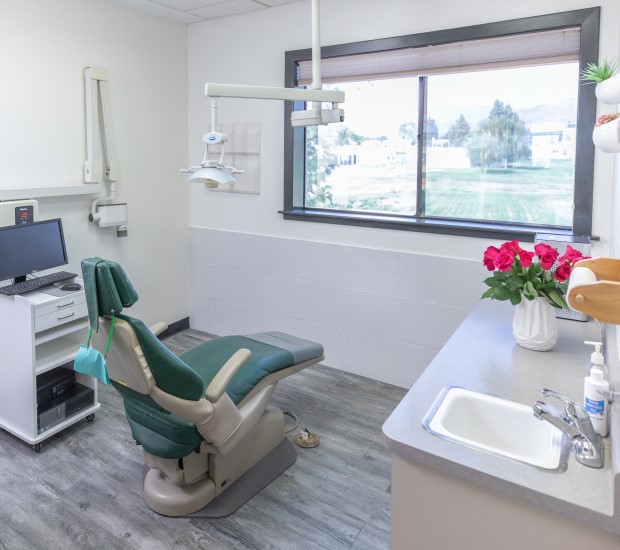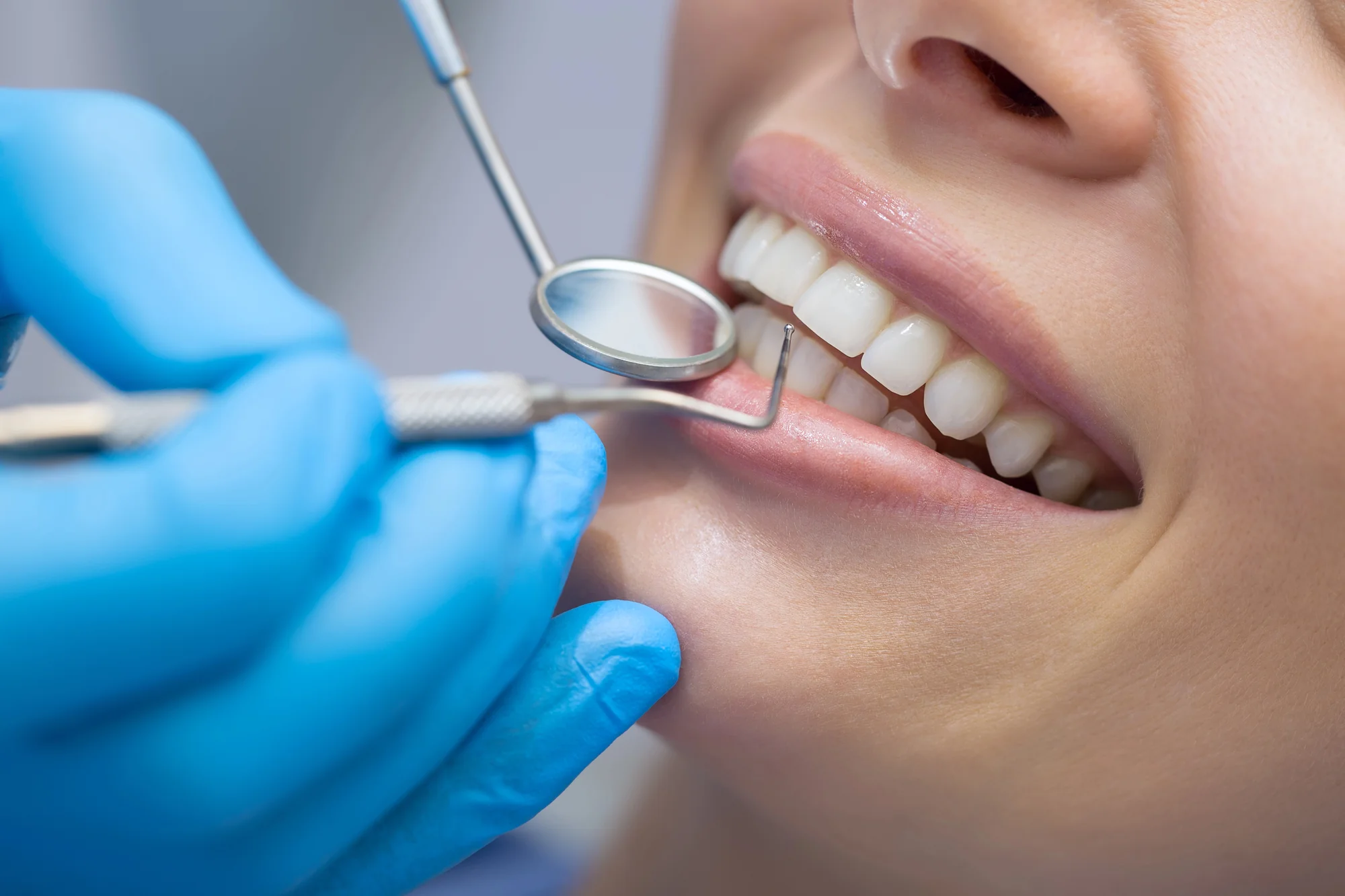
Dental cosmetic contouring, also known as tooth reshaping, is a non-invasive and relatively easy treatment that involves the removal of small portions of enamel to enhance the shape, length, or surface of a tooth. It is an excellent alternative for individuals who wish to correct minor flaws, such as a chipped or uneven tooth, and achieve a more balanced and harmonious smile. The treatment can deliver observable outcomes without having to do a lot of dental work. Cosmetic contouring is also a quick and less expensive option over other procedures, such as bonding or veneers, and has little discomfort or recovery time. At SoCal Dental of Agoura, our Agoura Hills dentists are ready to guide you on whether dental cosmetic contouring is proper for you and to help you achieve a more confident, radiant smile.
An Overview of Cosmetic Contouring
Dental cosmetic contouring is one of the least invasive options in cosmetic dentistry, designed to correct minor tooth flaws by reshaping enamel. Also known as tooth re-shaping, odontoplasty, or enameloplasty, this is a procedure where tiny portions of the outer layer of your tooth, the enamel, are carefully and precisely removed to shape, lengthen, or smooth out the surface. The goal is to enhance your smile by correcting small chips, uneven tooth length, minor overlaps, or odd tooth shapes.
The basic idea of contouring is based on the peculiarities of the tooth enamel. The most rigid material in the human body is enamel, which is a crystalline structure that shields the delicate inner layers of your teeth. Since it does not have any living cells or nerves, small quantities can be taken away without pain.
This enables an experienced cosmetic dentist to carve the surface of the teeth, just like a jeweler cuts a gemstone, to reflect light more efficiently and produce a more appealing, more uniform look. The process can fix jagged edges of wear and tear, fill small pits or grooves on the tooth surface, and even make the teeth look more masculine or feminine through squaring or rounding the edges of the teeth, respectively.
The simplicity and the least invasive nature of cosmetic contouring are its beauty. It does not involve a significant change in your natural tooth structure as required in more complex processes.
These adjustments not only improve smile symmetry but may also support better oral hygiene. As an example, a minor overlap between two teeth can be smoothed out to remove a tight area where the floss will not fit easily, and the biofilm plaque will easily build up.
Qualifications for Dental Cosmetic Contouring
The assessment of whether you are a good candidate for dental cosmetic contouring is done through a careful evaluation of your oral health and aesthetic objectives. This is a procedure that is best suited to those who have minor cosmetic flaws and are interested in a conservative and effective solution.
You can be an excellent candidate, provided that you have healthy teeth and gums, and wish to fix such problems as small chips, minor cracks, or slightly uneven or overlapping teeth. The process is also valuable for persons who have sharp dog teeth that they would like to be rounded to a more rounded shape.
It may be the finishing touch once the orthodontic work has put your teeth in place, to smooth out any remaining jagged lines. It should be noted, though, that cosmetic contouring is not a one-size-fits-all dental solution.
The effectiveness and safety of the process are wholly reliant on the well-being and form of your teeth. The main restricting factor is the thickness of your tooth enamel. When your enamel is naturally thin or has been eroded or ground down, then any loss of just a little of it may expose the sensitive dentin beneath, causing sensitivity and making further loss more likely. That is why you must undergo a proper dental check-up.
This evaluation includes a visual examination, a bite test to assess tooth alignment, and dental X-rays. The X-rays are vital because they enable your dentist to see the size and location of the pulp chamber, the center of the tooth that has nerves and blood vessels, and to determine how thick the enamel and dentin layers are.
If you have any prior dental problems, such as tooth decay, active gum disease, or infected pulp, then these must be addressed entirely and solved before you can be considered for elective cosmetic surgery such as contouring.
Trying to shape an untreated decayed tooth may make it even weaker and bring about a more severe issue. Your dentist will weigh your aesthetic wishes against your clinical needs very carefully to achieve the best and healthiest result.
Cosmetic Contouring Procedure: Step-by-Step
Cosmetic contouring is simple and effective, typically completed in a single 30- to 60-minute visit, depending on the number of teeth involved. The process of having a more sophisticated smile starts with consultation and detailed analysis, followed by the specific restructuring and polishing of your teeth.
Primary Consultation and Examination
It is necessary to examine your teeth before the actual reshaping process starts to make sure that they are healthy and fit to undergo the reshaping. Your dentist will perform dental X-rays to determine the health of the roots of your teeth and the supporting bone structure.
This step is crucial, as reshaping teeth with weakened enamel could lead to irreversible damage. In this consultation, you will talk about your aesthetic objectives and what you expect to obtain from the procedure. You are able to indicate the particular details of your teeth that you do not like.
Your dentist then conducts a smile analysis, assessing the proportions of your teeth relative to each other and to your facial structure. They also evaluate enamel thickness to ensure that enough remains for a safe, effective procedure that preserves your teeth’s structural integrity.
The Polishing and Reshaping Process
After you have been cleared to go through the procedure, the process of reshaping the teeth can commence. Your dentist will begin by drawing marks on the parts of your teeth that require sculpting with a special pencil to show where the changes are to be made.
Your dentist will use a set of special instruments to remove bits of enamel in a very delicate and painless manner. It is usually performed using a slow-speed dental handpiece with different fine diamond or carbide finishing burs, or a fine sanding disc. It may cause a slight vibration as the instrument passes over your tooth, but it is painless since there are no nerves in the enamel.
This is why local anesthesia is not necessary in most cases, and it is a significant advantage to most patients. Your dentist can reshape the spaces between teeth with thin, flexible abrasive strips, which look like fine-grained sandpaper.
These are worked back and forth, and the overlaps are removed to make a more perfect shape. Throughout the procedure, your dentist pauses to let you test your bite and review the appearance to confirm that progress matches your plan.
Once the intended shape has been obtained, the last and most critical thing is to polish the modified surfaces. A progression of polishing tools and pastes is employed to make a high-luster finish that is smooth and perfect. This not only makes the tooth look natural and beautiful but also ensures that the plaque and stains do not build up on the surface.
The Benefits of Selecting Dental Cosmetic Contouring
Dental cosmetic contouring has numerous advantages, and it is a good choice to make when one wants to improve the look of their smile with minimal treatment. It is an excellent payoff in terms of time and money for the dramatic beauty that it can add.
Short Time with Instant Results
Speed of the procedure is one of the most essential benefits. It can usually be done during one office visit, and you have instant results that you can see. You can enter the dental office with a chipped or uneven tooth and leave the office less than an hour later with a perfected smile. This is an excellent contrast to other cosmetic procedures, such as veneers or orthodontics, which may involve several visits over weeks or months.
It is Painless
Moreover, it is painless. As the non-sensitive outer layer of the tooth enamel is the only part of the tooth that is treated, no injections or anesthesia are usually needed, and this adds to a stress-free and comfortable experience.
Short Recovery Time
It is also quick to recover, and no downtime is needed; you can resume your daily routine and have your favorite food immediately after your appointment.
Very Affordable
Cosmetic contouring is an exceptionally affordable way of improving the look of the smile, in a financial sense. It is one of the cheapest cosmetic dental procedures in general, particularly in comparison with such treatments as veneers, crowns, or braces.
In addition to the short-term aesthetic value, dental contouring may also have long-term oral health benefits. It can also make your teeth much easier to brush and floss by smoothing out small chips, overlaps, and crevices where tartar and plaque can collect.
This decrease in the plaque-retentive space has the potential to reduce your future chances of getting tooth decay and gum disease, and it is a treatment that improves the appearance of your smile, as well as the health of your smile.
Possible Risk of Dental Cosmetic Contouring
Though dental cosmetic contouring is a safe and relatively non-invasive treatment when done correctly, one must be aware of the risks and limitations involved to make an informed decision.
The Process is Irreversible
Once the enamel is taken away, it does not regenerate. This is why it is vital to select a very skilled and experienced cosmetic dentist who will not only remove the minimum amount of enamel but also the most accurate one to create the effect that you want.
Excessive removal of enamel may compromise the tooth structure, which may be prone to chipping, cracking, and decay in the future.
Short-Term Tooth Sensitivity for Some
The most frequent risk, which is generally mild and short-term, is heightened tooth sensitivity. This is achieved by making the protective enamel layer thinner, thus bringing the tooth surface nearer to the underlying dentin, which has microscopic tubules that connect to the nerve of the tooth. This may lead to a short-term intolerance to hot, cold, or sweet food and drink. This sensitivity will, in most cases, fade within a few days or weeks as the tooth acclimates.
Also, one should realize that enameloplasty is most appropriate when it comes to minor cosmetic changes. It does not represent a proper therapy of more serious dental problems, such as severe misalignment, large chips, deep fractures, or widespread discoloration.
The correction of a significant defect using contouring may lead to the loss of excessive enamel, which may affect the health of the tooth. Your dentist will be in a position to decide whether your particular issues can be solved with the use of contouring or whether a different treatment, or a combination of treatments, would be more appropriate. An in-depth preliminary assessment and candid dialogue on your expectations are the most vital in reducing risks and achieving a successful and beautiful result.
Recovery and Aftercare: Taking Care of Your New Smile
The absence of a recovery period is one of the most attractive features of dental cosmetic contouring. You can resume normal activities like eating and drinking immediately after the procedure.
Nevertheless, to make sure that your newly improved smile will last longer, and to take care of your teeth, you need to take care of them after that. Although the alterations that occur on your teeth are irreversible, good oral health will ensure that your teeth are in their best condition and that you do not experience any further complications.
There is a possibility of slight sensitivity to temperature changes, which is usually temporary and disappears within a day or two after the procedure. A toothpaste for sensitive teeth can be used to ease any discomfort you may experience during this period.
Consistent and complete oral hygiene, such as brushing the teeth at least twice a day with fluoride toothpaste and flossing the teeth daily, is essential. This will assist in avoiding the accumulation of plaque and tartar, which may ruin the appearance of your contoured teeth and cause decay. Fluoride helps strengthen and remineralize the remaining enamel.
Your teeth are contoured, but it is always good to be careful with them. Chewing complex objects like ice, hard candies, or pen caps should be avoided as this may cause chipping or damage to any tooth, contoured or otherwise.
If you grind your teeth (a condition called bruxism), your dentist may recommend a custom-made night guard. Grinding may cause your teeth to be under enormous pressure, and a night guard will save your teeth against undue wear and even fracture.
It is also essential to visit the dentist regularly and have your teeth cleaned every six months, not only to keep your teeth in shape but also to keep your mouth in good health even in the future.
The Cost of Cosmetic Contouring
Cost is one of the significant factors when it comes to cosmetic dental procedures. Dental cosmetic contouring is one of the least expensive methods to improve your smile, and it has a high impact but at a comparatively low cost.
The price of the procedure may differ based on several factors, such as:
- The number of teeth that are being treated
- The complexity of the reshaping of the teeth
- The geographic location of the dental practice
- The experience and reputation of the dentist
In many California dental practices, cosmetic contouring may range from approximately $50 to $300 per tooth, although local pricing and complexity can affect the cost significantly. This is what makes it a much more affordable alternative to other, more comprehensive procedures, such as porcelain veneers, which may be much more expensive per tooth.
Cosmetic contouring is usually regarded as an optional cosmetic treatment, which is not supposed to enhance functionality, but rather the appearance; it is not always included in dental insurance plans.
If contouring is needed due to an accident or injury, partial insurance coverage may be available. You should inquire with your insurance company to know what your benefits are.
To ensure the process is more affordable, most dental practices, such as ours, have flexible financing plans or third-party payment plans that can assist you in comfortably fitting the price of your new smile into your budget.
Contouring with other Cosmetic Surgery
Dental cosmetic contouring is a flexible treatment that may be delivered as a stand-alone procedure and produce minor changes or may be combined with other cosmetic interventions to create a more extensive and radical smile makeover. Contouring is often an ideal final touch to orthodontic therapy, refining tooth shape once alignment is correct.
Combining Contouring and Dental Bonding
Dental bonding is often used with cosmetic contouring to treat more types of flaws. These two processes are complementary, with contouring restoring the form of the teeth by removing small portions of enamel, and bonding restoring the form of a tooth by applying a tooth-colored composite resin to fill in a chip, close a small gap, or change the shape of a tooth. These two least invasive procedures, when combined, can produce a perfectly symmetrical and beautiful smile.
As an example, a misshapen tooth with a small chip can be shaped to the required shape and bonded to fix the chip perfectly. This combination enables the subtractive and additive changes to be done to obtain the optimal aesthetic outcome.
Cosmetic Contouring and Teeth Whitening
Another trendy procedure that would go hand in hand with cosmetic contouring is teeth whitening. In case of discoloration or staining of your teeth, a professional teeth whitening procedure can be done prior to the contouring process.
Whitening should be done first because the composite resin used in bonding and the porcelain used in veneers cannot be whitened afterward. To match any bonding substance to your new, whiter shade, whitening your teeth first is the best way to match it. This provides a consistent and glitzy white smile. Post-whitening contouring is used to make the already whitened teeth look even more flawless by shaping their forms and contours.
Veneers as an Alternative
Porcelain veneers can be suggested as an option for more serious cosmetic issues that cannot be solved with contouring. Veneers are shells of tooth-colored porcelain that are thin, custom-made, and attached to the front surface of the teeth.
They are able to fix a vast spectrum of problems, such as severe discoloration that does not react to whitening, bigger chips or cracks, and larger spaces between teeth.
Although veneers are more invasive and expensive than contouring, and more enamel has to be removed, it is a more transformative and lasting solution for those who want a complete and dramatic smile makeover. Your dentist is able to advise you on which of the two options will be best suited to your situation and objectives.
Selecting the Right Cosmetic Dentist for Your Contouring
The most critical thing in the process of dental contouring is to select a qualified and experienced cosmetic dentist who will be able to give you the best possible results. Because this is a long-lasting and artistic process, it is vital to leave your smile in the hands of a professional who has a critical sense of beauty, a strong knowledge of the anatomy of the teeth, and is conservative.
In the process of researching prospective dentists, do not just consider the general dentistry qualifications. Find specialists with a particular interest in cosmetic dentistry, which is evidenced by their continuing education programs and their membership in such associations as the American Academy of Cosmetic Dentistry (AACD).
A dentist who is passionate about cosmetic dentistry will usually have a portfolio of completed cases. Patient reviews and testimonials can also offer valuable insight into the dentist’s quality of care, chairside manner, and overall patient satisfaction.
You must not be afraid to ask straight questions during your first consultation. Ask the dentist the number of contouring procedures that they have done. Request to view pre- and post-treatment images of past patients who have gone through the same procedures. This will provide you with a clear and concrete picture of the dentist and the possible outcomes that you can get.
A compassionate cosmetic dentist will spend time hearing what you want to achieve, carry out a thorough assessment, clarify all your choices, and design a unique treatment plan that will suit you. They will need to make you feel at ease and secure in your choice.
Find an Agoura Hills Cosmetic Dentist Near Me
Dental cosmetic contouring is a fast, painless, and inexpensive method to fix minor flaws and have a more balanced and confident smile. It is a minimally invasive procedure that can make you look better in a single visit. Knowing its advantages, disadvantages, and care, you will be able to make a wise choice about how to improve your smile safely and efficiently.
Ready to take the next step? At SoCal Dental of Agoura, our cosmetic dentists are highly qualified professionals who offer personalized and professional care to enable you to achieve your smile objectives. For more information or to discuss whether cosmetic contouring is proper for you, contact our office in the Agoura Hills Area at 818-597-0100.