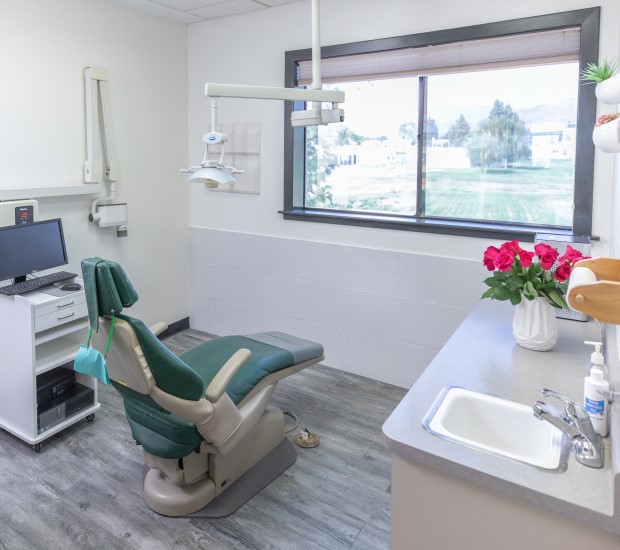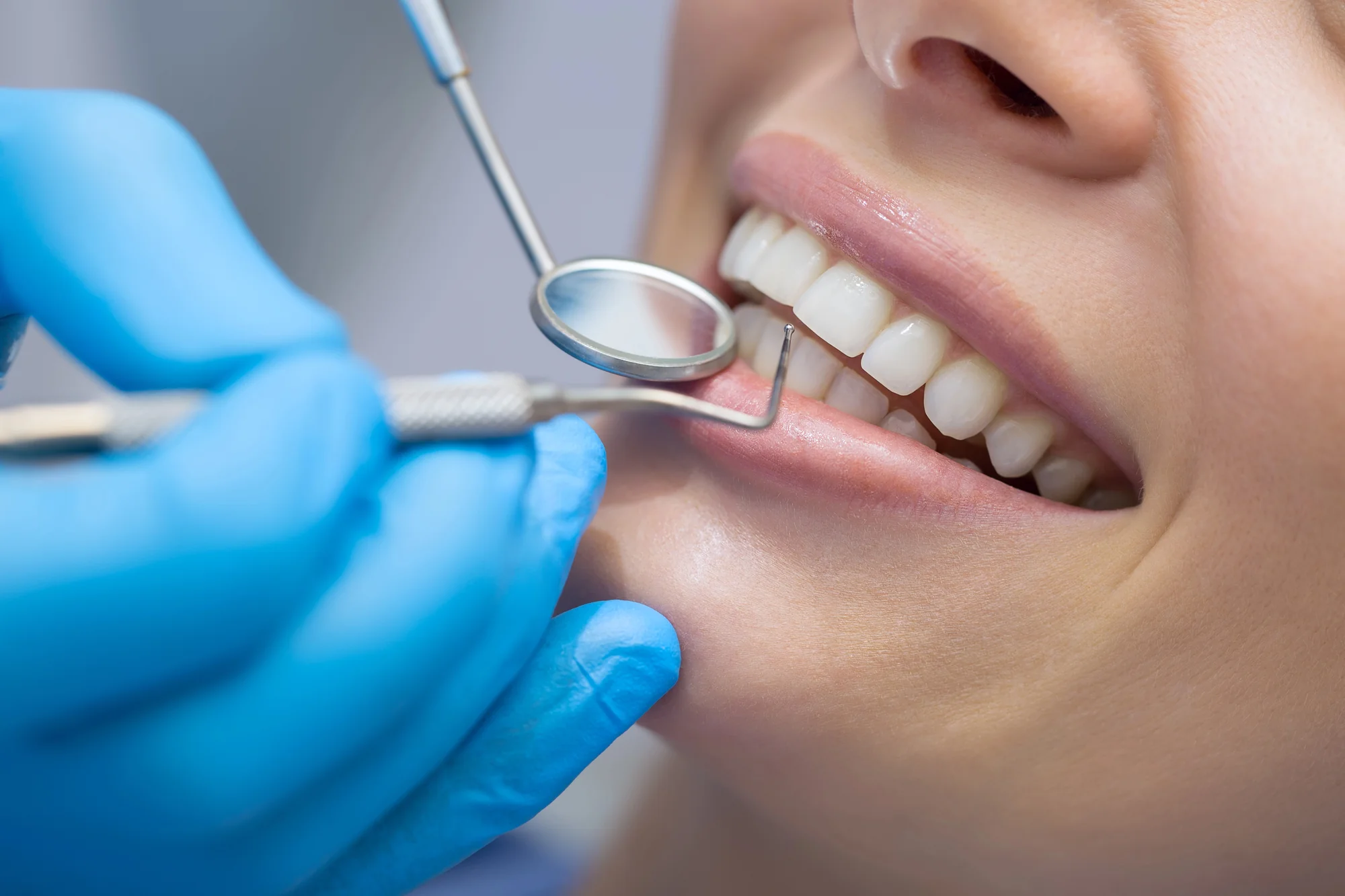
Dental care refers to all the treatments and care designed to improve and maintain good oral health. It refers to various practices that, when used together, can lead to excellent oral health. These practices include daily oral hygiene routines and professional services, like regular checkups, cleanings, and preventive dental care. The goal of dental care is to maintain healthy gums and teeth and protect you from infections, cavities, and gum disease. It also protects you from other dental and oral issues that affect your oral and general health.
Our competent general dentists at SoCal Dental of Agoura offer excellent dental care to all family members, including children and seniors. We develop individualized treatment routines for our patients that are geared toward improved overall health.
The Importance of Dental Care
Your oral health is an important part of your overall well-being. Taking good care of your teeth and gums eventually improves your general health. Thus, dental care is very important, not just for your oral health but also for your general health. It ensures you enjoy excellent oral health and helps you prevent dangerous diseases like diabetes and heart disease. Dental care is also important in ensuring you enjoy good nutrition through good digestion.
There are many reasons why you should prioritize dental care for you and your family. The most important reasons include the following:
For Improved General Health
Remember that your oral health is connected to your general health. If something happens to your teeth or gums, your overall health is affected as well. Therefore, taking good care of your teeth and gums is one way in which you care for your general health. If you have an infection in one tooth, it can travel through the bloodstream to various parts of the body, making you ill. Dental care focuses on issues within and around the mouth that can impact your general health.
To Prevent Oral Issues
Taking good care of your teeth and gums is also a preventive measure against oral and dental problems. With a dentist’s help, you can prevent serious dental problems like cavities, gum disease, and oral infections. One of the preventive measures dentists highly recommend is maintaining daily oral hygiene habits. These include brushing and flossing daily. They remove all dirt and debris from your mouth that encourages the growth of cavity-causing bacteria.
For Early Detection of Systemic Diseases
Dental care also includes regular dental checkups with a skilled dentist. These are important preventive measures that help with the early detection of systemic diseases, like diabetes. A skilled dentist can detect the early signs of diabetes during routine examinations. They can recommend treatment that could manage the condition before it escalates.
For Improved Confidence
Your confidence is mainly tied to how you look and feel. Since your smile is the first thing people notice about you, your confidence can be affected if it is imperfect. This is likely if your teeth are misaligned, discolored, stained, or missing. Dentists address all issues that affect your appearance and comfort, so you can confidently socialize and smile. Once you feel confident and generally good, your self-esteem and social interactions improve significantly.
For Improved Nutrition
Your teeth serve several functions, including chewing and biting. Chewing is the first process in ensuring digestion. If your teeth are weak, missing, or in pain, you are unable to chew your food properly. This can affect digestion. It leads to digestive issues and the loss of critical nutrients. Dental care prevents nutrition-related issues by ensuring that the food you eat is well-digested and that the right nutrients are absorbed into your body. This is what keeps you in good health.
The Key Components of Dental Care
Remember that dental care includes several practices used together to achieve excellent oral and general health. This means that dental care is not limited to a single practice but to several practices that point to the same goal. Professional dentists use the various components of dental care according to individual needs and the issues at hand. These components include the following:
Daily Oral Hygiene Habits
This is the very first recommendation dentists make whenever you visit the dentist for treatment or routine checkups. It includes taking care of your teeth and gums at home by ensuring the environment in your mouth is unfriendly to harmful oral bacteria. The habits highly recommended include brushing twice daily and flossing every day. These habits remove food debris from the mouth, which can encourage the growth of harmful bacteria. Brushing and flossing also freshen your breath and leave your teeth clean and sparkly, for a beautiful smile and confidence.
Brushing and flossing daily removes plaque that forms when you eat or drink. The existing oral bacteria combine with food and saliva to form a sticky film that attaches to the teeth. If plaque is not removed promptly, it dries and hardens on your teeth and gums, forming tartar, or calculus. This can eventually lead to gum disease and cavities.
Brushing focuses on the outer parts of your teeth, gums, and tongue, while flossing removes food stuck between your teeth. Brushing alone is ineffective at keeping your mouth clean and free of harmful bacteria. This is because regular brushes do not reach between teeth. Flossing also removes any plaque that could have formed between your teeth.
Dentists recommend using a soft-bristle toothbrush to clean your teeth. This prevents damage to sensitive tissues within your mouth. You are also required to brush gently to reach all surfaces of your mouth. A fluoride-based toothpaste is also advisable for removing plaque and remineralizing your teeth. Fluoride strengthens your enamel against attack by harmful bacteria.
You can rinse your mouth once in a while, or regularly if recommended by your dentist, using a fluoride-based or alcohol-based mouthwash. This refreshes your breath and creates an unfriendly environment for harmful bacteria in your mouth.
Professional Dental Visits
These are also highly recommended as a preventive measure against dental and oral issues. Every time you visit a dentist’s office, whether for a routine checkup or treatment, they examine your teeth and gums and give recommendations to improve your oral health.
Professional visits to a dentist’s office are recommended for routine checkups and examinations. These should be done as regularly as possible, ideally twice a year. They help detect dental issues early, such as cavities, oral cancer, and gum disease. When a problem is detected early, it becomes easier and cheaper to treat.
Cavities are very common in all people. They start mildly and escalate with time. A cavity can develop and escalate over time without being noticed. This mainly happens when it develops on a back tooth or the inner part of a tooth. Dentists conduct a thorough examination of all your teeth and gums during regular visits. Thus, it is impossible to miss a developing cavity.
Gum disease also starts mildly as gingivitis. It spreads very quickly and can reach an advanced stage before you seek treatment. This is a very serious condition that affects the stability of your teeth and your general health. However, a dentist can detect and treat it early, before it starts spreading to your gum pockets.
Dental examinations during routine checkups are not just physical; they also involve diagnostic tools, like X-rays. These help the dentist understand the condition of your teeth’s underlying structures. Using these diagnostic tools, your dentist can detect dental or oral issues that could be hidden from view and treat them before they worsen.
In addition to routine checkups and examinations, dentists offer professional teeth cleaning services during professional dental visits. Professional cleaning targets areas that are difficult to reach with regular brushing and flossing. A dental hygienist uses specialized tools to clean your teeth and remove buildup that can lead to cavities and gum disease. They also remove stains and discoloration, leaving your teeth clean, fresh, and sparkly.
Preventive Dental Care
In addition to routine checkups and recommendations, dentists provide preventive treatment to protect you from cavities and gum disease. Examples of preventive measures you and your loved ones can enjoy today include the following:
- Dental Sealants
These are thin, plastic coatings dentists apply on the chewing surfaces of the back teeth to prevent cavities and tooth decay. They form a protective barrier against acids and bacteria that weaken enamel and attack your teeth, leading to cavities. Dentists apply sealants so the plastic protective material covers even the deep grooves of the tooth, where food can easily get stuck. These areas are usually difficult to clean during regular brushing and flossing, creating perfect breeding grounds for harmful bacteria.
Dental sealants mainly protect the teeth that are susceptible to cavities and tooth decay. Although everyone can use them, dentists recommend them primarily for children and teenagers who have not yet mastered the recommended brushing and flossing techniques. These are also the people who mostly consume sugar and starchy foods and do not easily adhere to oral hygiene habits.
Dental sealants are very easy to apply. Dentists use a seamless, painless process that begins with cleaning the teeth and applying a liquid sealant to the identified teeth. Then, they use a special light to cure the sealant in place. Once applied, sealants do not change the look, feel, and functionality of your teeth.
When applied properly, dental sealants can provide excellent protection against cavities for up to 6 years. However, the exact lifespan depends on how well you care for them.
- Fluoride Treatments
These are also common procedures dentists use to prevent cavities and gum disease. They apply a high-concentration fluoride treatment to your teeth to remineralize them. This strengthens the enamel against harmful bacteria and the strong acids in your foods and drinks, helping protect you from cavities. Fluoride treatments can also reverse tooth decay and discourage the growth of harmful bacteria that cause gum disease.
Fluoride treatments are applied in the form of a varnish, which is applied directly to your teeth. Some forms of these treatments are applied in a dental tray containing a gel or form. The tray is left on your teeth for a few minutes to administer treatment.
Although fluoride treatments can benefit everyone, dentists recommend them mostly for children and teenagers, because they are at a higher risk of cavities.
Dental Restorative Care
Restorative care includes all dental procedures that replace or repair damaged or missing teeth. These procedures restore the structure, functionality, and health of teeth, as well as your smile and confidence. Dentists offer a wide range of restorative dental procedures for different purposes and needs.
The primary purpose of restorative dental care is to fix problematic teeth or replace missing teeth to ensure you enjoy the full functionality of your teeth. Restorative dental care also improves your aesthetics, enhancing your smile and boosting your confidence.
The most common treatments offered under this category include the following:
- Dental fillings to fix mild to moderate cavities
- Dental crowns are used to restore the structure, strength, and functionality of a severely damaged tooth
- Dental bridges fill gaps left by missing teeth by anchoring artificial teeth to the adjacent natural teeth
- Dental implants that replace missing teeth and roots to provide a strong base for the artificial teeth that replace missing teeth
- Root canals remove infected pulp to stop an infection and prevent it from spreading to the adjacent teeth and to the rest of the body. This must be done quickly to save the tooth and prevent further infection.
- Inlays and onlays that function like dental fillings, but offer more precise repairs for damage to teeth caused by cavities
Dentists recommend restorative dental care if you have a cavity, your tooth is cracked or fractured, or you have lost a tooth due to disease or trauma. The treatments recommended prevent further damage to the affected teeth, protect the adjacent tooth, and ensure long-term oral health. Some restorative procedures also relieve or prevent pain. For example, root canal therapy and dental fillings protect you from endless toothaches caused by an untreated cavity.
Cosmetic Dental Treatments
These are dental procedures that enhance the appearance of your teeth and gums, improving your smile and boosting your confidence. Some cosmetic treatments improve only your aesthetics, while others offer both aesthetic and preventive or curative benefits. Generally, they include all procedures that focus on the shape, color, alignment, and size of your teeth. Examples of common cosmetic dental treatments include the following:
- Teeth whitening
This procedure brightens your smile by removing discoloration and stains that change your teeth’s appearance. It gives you a brighter smile and boosts your confidence. Dentists offer several teeth-whitening solutions tailored to your needs, preferences, and budget. You can opt for an in-office treatment or at-home whitening solutions.
- Dental Veneers
These are thin composite or porcelain shells that dentists use to cover the front part of your teeth to correct imperfections for an improved smile. Veneers can cover excessive gaps between teeth, stubborn stains, discoloration, or improve the shape or size of your teeth.
- Composite Bonding
These are tooth-colored applications used to repair minor cracks, chips, or gaps on teeth. They are thin and are bonded to your teeth to improve their appearance. They are quick and less invasive to apply, which saves time.
- Invisalign or Clear Aligners
These are discreet, removable teeth aligners that dentists use to straighten crooked or misaligned teeth. They work almost the same as traditional metal braces, by gently applying pressure on misaligned teeth. However, they offer more benefits because they are discreet and removable. Clear aligners are also made from a strong plastic material and work faster than metal braces.
- Gum Contouring
This is a procedure performed by a skilled cosmetic dentist to reshape your gums. It is highly recommended if your gum is receding. If done well, gum contouring improves the appearance and balance of your smile.
Education and Lifestyle
This is an important component of dental care, as it aims to ensure you understand your role in improving and maintaining excellent oral health. Dentists provide various recommendations to keep you informed about your oral health and what you should and should not do to maintain good health.
For example, they provide dietary advice by recommending foods that improve your oral health. They also warn against foods that harm your teeth, including sugary, starchy, and acidic foods and beverages.
Dentists also warn against harmful habits that damage your teeth and gums, including tobacco consumption and bruxism.
Find an Experienced General Dentist Near Me
Are you worried about your oral health, and would you like to learn more about dental care in Agoura Hills?
A competent general dentist can provide the information and guidance you need to know what is required and where to begin in taking good care of your teeth and gums. They will also develop a dental care routine that suits your needs, preferences, and budget.
We offer high-quality, timely dental care for the entire family at SoCal Dental of Agoura. We can work with your family to ensure that everyone’s oral health is good at all times. We offer both preventive, curative, and cosmetic dental care according to your needs. Call us at 818-597-0100 to learn more.