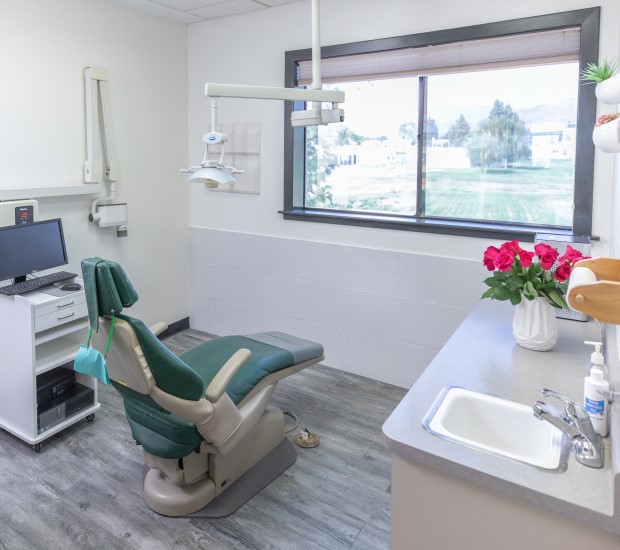
Gone are the days when a cavity meant a permanent metallic mark on your smile. The current restorative dentistry has taken a new shape, with composite fillings at the forefront of combining oral health with aesthetics.
Rather than the old-fashioned silver amalgam fillings, composite fillings are made using a durable, tooth-colored composite resin that resembles the natural clarity of your enamel. This implies that your dental work stays hidden whether you’re laughing, speaking, or taking a selfie. In addition to being lovely to look at, these fillings form a direct bond to the tooth structure, providing extra support and less removal of your natural tooth. As you will learn below, it is the ideal combination of power and beauty.
At SoCal Dental of Agoura, we believe you should not have to choose between a healthy mouth and a confident smile. Our team specializes in seamless restorations that look as good as they feel.
How Composite Restorations Bond to Natural Teeth
The success of a composite restoration depends entirely on the precision of the adhesive protocol. Composite resins form a stronger chemical bond than silver fillings, which rely on mechanical undercuts and wedging into the tooth. The process is initiated by mild conditioning agents, which roughen the tooth surface at the microscopic level, forming a landscape that can retain resin. This type of preparation of the enamel and dentin allows the dentist to have the resin flow through every microscopic pore. This step provides structural support, strengthening the remaining natural tooth and creating a unified structure rather than simply filling a void.
Once the surface is primed, the dentist applies a high-strength bonding agent that serves as a connector between the living tooth and the synthetic resin. This stratum is subjected to light curing, during which a specific wavelength of blue light immediately solidifies the paste. This procedure provides a hermetic seal, which essentially isolates bacteria, and a hermetic seal that reduces postoperative sensitivity, which is common with the older methods of dentistry. Due to the tightness of this bond, the dentist can practice more conservative dentistry, treating only the decayed part and leaving the healthy walls intact.
The last step is the incremental placement of the composite material to control the shrinkage during polymerization. Rather than filling the hole with a single large mass, the dentist puts the resin in small layers, which are dried one after another. It is a technique that places minimum strain on the bond interfaces and can be used to recreate the natural hills and valleys (cusps and fissures) of the tooth in an artistic way. The outcome is not only a restoration that is functionally superior and seamlessly blends into the natural smile, but also fades into the natural smile, which is a long-lasting solution that can withstand the demands of the oral environment.
Why Composite Fillings Are Replacing Silver Amalgam
The replacement of silver amalgam with composite resin is a radical shift in how dentists maintain a tooth’s structural integrity. Mechanical retention, which is sometimes referred to as wedging, was used as a method of traditional amalgam fillings for several years. To keep the metal in, dentists must make the undercuts wider at the base. This demand necessitates the removal of healthy tooth structure, which tends to thin the surrounding walls, making the remaining natural tooth more susceptible to vertical fractures over time.
Conversely, composite restorations use the latest adhesive technology to bond the tooth back together. Since the resin is chemically bonded to both enamel and dentin, it provides a reinforcing system. The result of this form of structural integration is the ability to perform ultra-conservative dentistry. The dentist removes only the decayed part of the tooth, leaving the healthy parts intact. Composite resin actively reinforces the tooth’s overall structure by supporting and stabilizing the remaining tooth structure rather than pushing against it.
The thermal expansion characteristics of the two materials further differentiate them and influence their long-term durability. Silver amalgam is a metal, which means it has a high coefficient of thermal expansion. When a patient drinks hot coffee or ice-cold water, the metal filling expands and contracts at a different rate than the surrounding tooth. The result of these continuous, repeated expansion and contraction stresses is internal stress and microscopic cracks that ultimately expand into large ones. Composite resin closely resembles tooth structure, expanding and contracting with the enamel to maintain a stable, crack-resistant environment.
Beyond the structural advantages, the shift to mercury-free dentistry also responds to the growing patient preference for biocompatibility. Despite the ongoing discussions about mercury exposure concerns in amalgams, we cannot overlook the aesthetic and physical benefits of resin. The convenience of using composites is that no dark spots, often left behind by silver fillings on the gums and the other teeth around it, are caused by composites. By choosing a substance that mimics the biological behavior of the human mouth, patients receive a solution that helps preserve the health and longevity of their smile.
What Happens During a Composite Filling Procedure
The success of any composite restoration lies in meticulous moisture control, which is one of the steps that determines the durability of the bond. To achieve this, dentists use a rubber dam or sophisticated isolation devices to protect the tooth from saliva and humidity in the breath. Due to chemical bonding between the resin and the tooth, a trace of moisture may compromise the seal’s integrity, leading to early leakage or subsequent degradation. The dentist can ensure that the adhesive reaches its full potential strength by maintaining a completely dry operating environment.
The tooth is then isolated, the decay removed, and the surface is acid-etched to prepare it for adhesion. The introduction of a weak gel of phosphoric acid provides millions of microscopic pores in the enamel and dentin, which can enhance the bonding agent area. This is followed by rinsing and drying, and then the dentist puts on a liquid resin primer, which flows deep into these micropores, tiny openings in the tooth’s surface. After a layer of resin hardens with a special curing light, it forms a micromechanical interlock, welding the tooth and the restorative material into a single solid unit.
Even the positioning of the composite material itself needs a process called incremental layering. The dentist does not fill the entire cavity at once but rather constructs the restoration in small layers, usually not more than two millimeters thick. This technique has two important functions:
- It guarantees that the penetration of the curing light runs throughout the thickness of the resin
- It reduces the occurrence of polymerization shrinkage
Gradually curing the material means that the dentist can minimize the internal stress exerted on the walls of the tooth, which helps avoid postoperative sensitivity and guarantees that the margins of the filling are kept tight.
This process becomes more of an art than an engineering process as the last layers are laid on the surface. The dentist carefully carves the soft resin to reconstruct the tooth’s natural structure, including the individual ridges and grooves that facilitate efficient chewing. The restoration is then subjected to a multi-step polishing procedure using fine-grit discs and polishing pastes after a final, complete cure. This finishing step removes any rough spots that could harbor plaque and provides a high-luster finish comparable to the light-reflective properties of the surrounding natural enamel.
Why Composite Fillings Blend Seamlessly With Natural Teeth
The most striking benefit of contemporary composite resin is its chameleon effect. This is the ability to mimic the multifaceted optical characteristics of natural human teeth. Compared to monochromatic materials, high-end composites exhibit varying degrees of translucency and opalescence. It allows light to pass through the restoration and bounce off the tooth structure beneath it, just as in real enamel. This light-scattering quality makes it impossible to see the interface between the tooth and the filling with the naked eye, even after polishing.
To ensure seamless integration, a complex shade-matching process precedes it. There are elaborate shade guides used by dentists to choose individual resins that match not just the major color of the tooth, but also the minor variations of color and saturation in the areas of the tooth closest to the gumline and the biting edges. The practitioner can provide the three-dimensional depth of a living tooth by applying opaque resins to the dentin and more transparent resins to the enamel, making the restoration appear natural under every lighting condition.
This incredible flexibility goes far beyond simple cavity treatment and is the cornerstone of cosmetic bonding with composite resin. Since the material bonds to the surface with minimal preparation, it is an excellent method for repairing small flaws such as chipped edges, jagged tooth lengths, and permanent discoloration. In most cases, dentists use the same resin technology to close gaps between teeth (dentists call this a “diastema”) or to remodel smaller teeth, giving you a dramatic smile change without the more invasive option of porcelain veneers.
The versatility of composite bonding also offers a powerful solution for repairing “wear and tear” caused by aging or grinding. A dentist can also help restore the height and function of the teeth by applying thin layers of resin to the worn biting surfaces to prevent further tooth erosion. The result is a build-up method that conserves the greatest portion of natural tooth structure and provides immediate cosmetic effects. Whether it is a small chip that needs to be fixed or even full-mouth rejuvenation, composite resin is a conservative technique of restoring teeth, which are durable and beautiful, leading to a confident smile.
How Long Do Composite Fillings Last?
Although current resin technology is exceptionally strong, the life of a composite filling is typically between five and ten years, depending on clinical and patient factors, which are largely determined by the size of the restoration and the patient’s oral environment. In contrast to metal, composite resin ultimately yields to the repetitive strains of the “chewing cycle.” With time, the wear can become microscopic or undergo marginal breakdown due to constant pressure over a few years. Should the seal between the tooth and the resin fail, bacteria can enter the unsealed space, causing secondary decay around the filling and requiring a replacement to save the tooth’s nerve.
Daily habits and dietary choices play a significant role in how quickly a restoration loses its aesthetic appeal. Given that composite resin is a porous material compared to porcelain or metal, it is still prone to external staining from high-pigmented substances. Regular use of coffee, red wine, or turmeric-laden curries may slowly wear down the high-luster finish, resulting in discoloration at the edges of the bond. Although regular cleanings by professionals might sometimes remove surface stains, over time, the dentist may need to resurface the dentine or replace the restoration if discoloration occurs, restoring the resin’s luster.
Physical forces, especially in patients with bruxism (chronic tooth grinding), also influence the structural longevity of the teeth. Composite materials can be chipped or wear out prematurely due to the shearing forces produced during grinding at night. People like this need a custom-made nightguard to keep their restorations safe from too much pressure. By controlling these mechanical stresses, patients can greatly extend the life of their fillings and avoid more complex tooth treatments such as crowns or onlays.
The quality of the patient’s home care routine is the most effective indicator of the patient’s survival. Regular flossing and brushing help prevent plaque accumulation at the borders of the restoration, where the tooth is weakest. Regular dental checkups will help detect small cracks or leaking edges before they cause major structural problems. Patients who use high-quality materials and practice careful maintenance can ensure their composite restorations remain functional and beautiful for 10 years or more.
The Cost and Value of High-End Composite Dental Fillings
The selection of high-end composite dentistry will be an investment in the short-term beauty of a tooth as well as its long-term structural survival. Unlike simple functional restorations, high-quality composite restorations require:
- Significantly increased clinical time
- Specialized moisture-control devices
- Medical-grade materials
These procedures cost between $200 and $450 per tooth, on average, at market rates. The pricing reflects the practitioner’s skill in biomimetic procedures, which aim to make the enamel resemble its natural strength and flexibility.
The financial landscape of dental insurance often presents a hurdle known as the “Amalgam Downgrade Policy.” Most conventional insurance programs have labeled tooth-colored resin on back teeth as a cosmetic option rather than a medical need. They choose to cover it at the lower silver amalgam rate. This situation leaves the patient responsible for any remaining balance. Although this insurance gap may be stressful, the different payout will ensure the patient receives a mercury-free bonded restoration that retains normal tooth structure. Choosing the cheaper option is more expensive in the long term, since the intensive drilling needed for amalgam placement may require costly crowns or root canals.
Viewing dental treatment from the perspective of long-term value shifts the focus from the initial cost to the long-term cost efficiency of oral health. A carefully positioned nanohybrid composite filling minimizes the risk of secondary decay and leakage. Such an investment has the potential to double the restoration’s longevity compared to a hasty solution that could compromise it. These prices help sustain the high-end dental market by using BPA-free or biocompatible resins and the artistry needed to match the shade and contour of the natural dentition. The cost of investing in these latest technologies today ensures that the degenerative cycle of patchwork dentistry is avoided and that a functional and beautiful outcome is achieved over the years.
Caring for Your Composite Fillings After Treatment
The survival of a new composite restoration is reliant on the transition from clinical care to home maintenance. Shortly after the operation, patients may develop post-surgery sensitivity to temperature changes or to excessive pressure. The cause of this sensitivity is normally the microscopic enlargement of the resin during curing or the deep cleaning of dentin. Should the sensation persist or the bite be slightly lopsided, a slight shift by the dentist could realign the forces and relieve the pain. Unlike metal, which can transmit cold immediately, composite has a buffer that gradually levels out the temperature, giving a comfortable, natural feel.
Patients who want a brighter smile should plan proactively for an aesthetic smile, as composite resin does not respond to whitening agents. Since the filling shade is irreversible once cured, any preferred tooth-whitening effect must be achieved before the procedure. This enables the dentist to align new resin with the lightened enamel, resulting in a smooth outcome. Attempting to whiten the teeth afterward will only lighten the natural tooth structure, making the restoration appear as a darker “patch.” Through such coordination, patients have managed to have a consistently radiant smile, which has lasted over time.
Although recurrent decay at the microscopic margins of contact between the resin and the tooth is the most effective defense, it is best achieved through daily hygiene. Although the composite does not degrade, the enamel around it is prone to plaque and acid. Bonded teeth, especially, require regular flossing because debris can accumulate in the interproximal areas that traditional toothbrushes cannot reach. Among clenchers or grinders, a custom-made night guard is an insurance policy that helps to protect the sharp edges of the composite against shearing forces. When these precautionary practices are carried out in conjunction with routine professional examinations, patients have an opportunity to maintain the structural and cosmetic integrity of their investment for the next few years.
Find a Dentist Near Me
Choosing composite fillings means you do not have to decide between a healthy smile and a beautiful one. These tooth-colored restorations mimic natural tooth structure, which lasts longer and gives the tooth a seamless and natural appearance. It makes no difference whether you are making a new cavity or removing old metal fillings. The outcome is more confidence and better oral health.
Do not allow decay to compromise your smile. At SoCal Dental of Agoura, our professional staff works to deliver gentle, high-quality care tailored to your needs. Schedule your consultation today and experience the best in modern restorative dentistry. Contact us at 818-597-0100.