The chip in your front tooth that you always see in pictures, the small space you have become so used to, or the little blemishes can sometimes seem like giant distractions to an otherwise confident smile. The available solutions, then, might have appeared too invasive, too time-consuming, or too expensive over the years. However, today, there is a quick, painless, and cost-effective way to resolve these issues, which is dental bonding.
Dental bonding is a cosmetic procedure that involves applying a tooth-colored composite resin to the damaged area and improving the overall look of the tooth. It is usually completed within one painless visit to a dental clinic. This procedure is among the most conservative in cosmetic dentistry. For a perfect smile in a short time with dental bonding in Agoura Hills, contact SoCal Dental of Agoura and find out whether cosmetic dental bonding suits you.
What Is Cosmetic Dental Bonding?
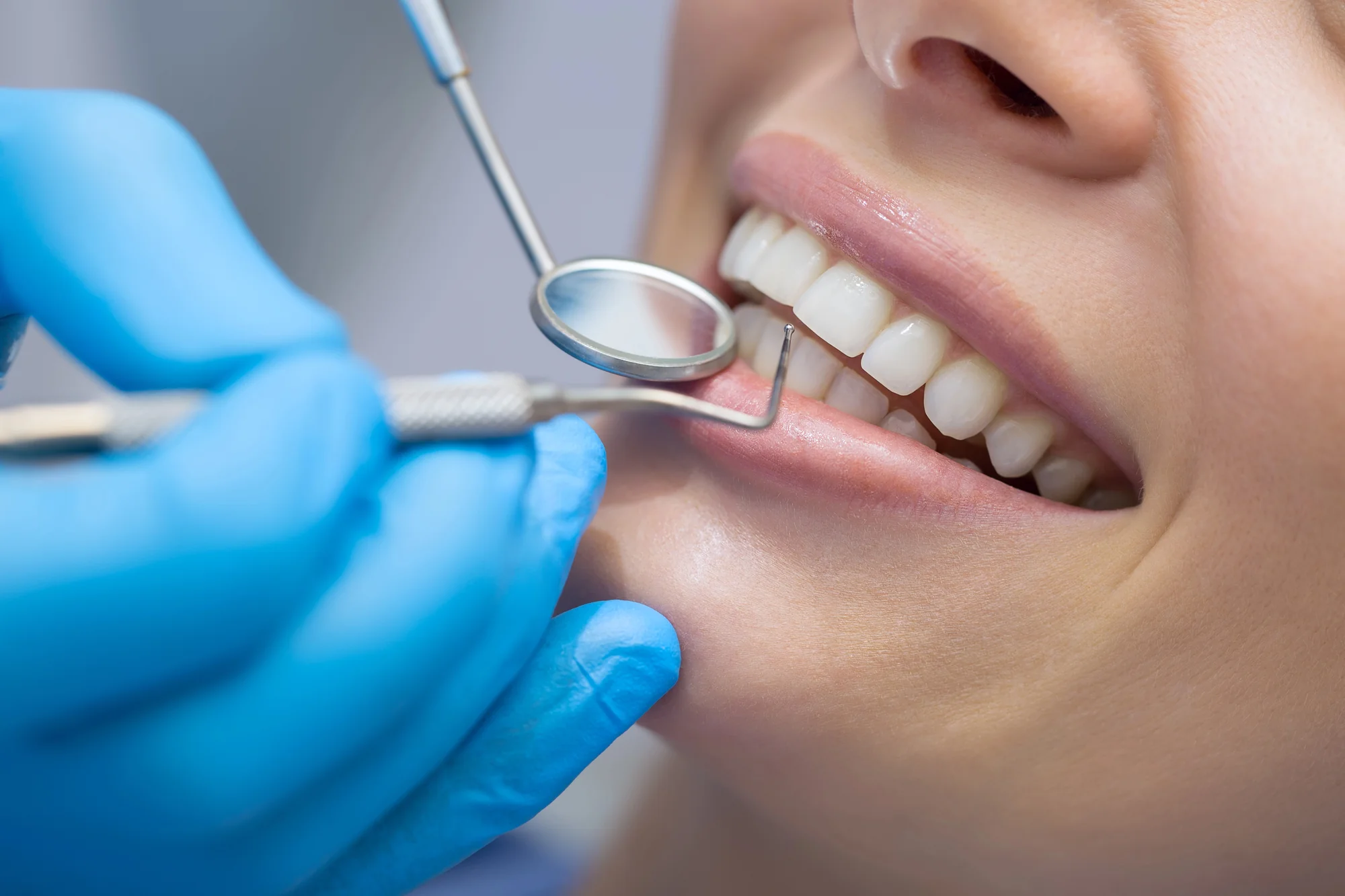
Cosmetic dental bonding is an efficient and popular cosmetic procedure that aims to correct minor dental defects. It is performed by applying a durable, tooth-colored composite resin, or a substance resembling putty composed of plastic combined with fine glass particles, to repair or reconstruct a tooth.
The material is the same advanced composite utilized in modern tooth-colored fillings. Your dentist applies this resin on the tooth surface, and it can be sculpted precisely and polished to fit perfectly with the adjacent teeth, giving it a perfect natural appearance.
Consider it an additive cosmetic process because it does not remove your existing tooth structure but adds to it. It is applied to fix a broken tooth, like chips and cracks, seal up holes, alter the shape and color of a tooth, and even hide discoloration that may not be removed by whitening.
One of the main features distinguishing dental bonding from other cosmetic procedures, such as porcelain veneers, is its conservativeness. It involves little or no loss of your natural tooth enamel, leaving your tooth intact. Also, the procedure is reversible, so you have nothing to worry about.
What Cosmetic Dental Bonding Can Do For You
Dental bonding is an ideal solution to many minor cosmetic problems. You might be an ideal candidate for this procedure if you have any of the following common dental issues:
Fixing Small Chips and Cracks
Dental accidents occur, and whether you accidentally bite something solid or suffer a slight sports injury, you might have small but noticeable chips or cracks in your teeth. The solution to this kind of damage is dental bonding.
These small fractures can be carefully filled in by your dentist using a composite resin, which is carefully applied to the tooth to create a structural layer one at a time. This is then masterfully sculpted and polished to replace the tooth’s original shape, which is healthy and complete, and the restoration is practically invisible to the naked eye.
Sealing Little Fissures and Holes
Dental bonding is a great and quick fix to a small area, or a gap, between your front teeth that you may feel self-conscious about. Rather than spending many years and lots of money on orthodontic therapy to fix a small gap, your dentist can use the composite resin to apply it to the sides of the surrounding teeth craftily.
The gap is bridged by meticulously enlarging them to preserve natural tooth proportions and produce a smooth and even look of a smile that appears naturally centered and spaced perfectly, in less than an hour.
Concealing Stubborn Tooth Discoloration
Although the professional teeth whitening procedures are effective in most forms of surface stains, there are discolouration cases that are too deep or within the tooth’s structure to be removed. This may be due to some drugs, previous dental trauma, or developmental causes.
Dental bonding is an ideal option in such instances. The opaque nature of the composite resin can be used to cover these stubborn stains with a thin and natural-looking layer. Your dentist will choose a shade that matches your other surrounding teeth, making the discolored tooth appear brighter and more uniform.
Elongation or Reshaping of Teeth
Sometimes, a tooth is shorter than the rest, like a peg lateral incisor, or it can be irregularly shaped, so it does not harmonize with your smile. This may also be due to years of grinding, which may erode the edges of your teeth.
The shape of a tooth can be accurately shaped and changed using bonding. The soft resin can be sculpted to create a tooth that is longer, wider, or more symmetrical to your smile, introducing a better balance and symmetry without the necessity of more invasive treatments such as crowns.
Protecting Exposed Tooth Roots
Exposure of a tooth root may occur due to gum recession, which may be occasioned by gum disease, aggressive brushing, or genetics. It is not just an aesthetic issue that can make your teeth appear longer, but it can also lead to a lot of painful sensitivity to hot and cold conditions.
Dental bonding may be used over these exposed sections. This offers a long-lasting protective layer that coats the delicate root surface, alleviating pain and enhancing the look of your gum line.
Dental Bonding Procedure
The simplicity and convenience of dental bonding are two of the most appealing aspects of dental bonding. The procedure can be accomplished during one office visit, providing instant and gratifying results. Knowledge of the process that precedes, occurs during, and follows the procedure will make you feel completely prepared and assured in your choice.
What Happens Before Teeth Bonding?
An initial consultation is the first step in your quest for a perfected smile. It is an important stage during which you and your dentist work on the vision of your smile. In this appointment, your dentist will discuss your cosmetic objectives and what you want to accomplish with the treatment. You need not hesitate to indicate the chips, gaps, or stains that annoy you. This is a design stage during which you can express your aesthetic tastes.
After this discussion, your dentist will thoroughly examine your teeth and gums to ascertain whether you are a good candidate for the procedure. This can include dental X-rays to determine the health of the tooth and supporting bone structure.
One should ensure no severe tooth decay, deep tooth fractures, or advanced gum disease. If any such problems are identified, they must be treated before you continue with cosmetic bonding. This is a pre-planning measure to make sure your cosmetic improvement is based on the foundation of good oral health.
The Process of Dental Bonding
Dental bonding is a delicate procedure that involves a combination of science and art. The process of extracting one tooth typically consumes between 30 and 60 minutes and is done with a lot of care to ensure one comes up with a result that appears and feels natural.
- Preparation and Shade Matching
With a professional shade guide, they will pick the ideal composite resin color that matches the natural shade of your adjacent teeth. This is a crucial art element where your dentist can mix several shades to resemble a natural tooth’s slight translucency and color differences. A thin, flexible film can be inserted between the adjacent teeth to protect them against conditioning agents.
The tooth surface to be bonded is then slightly roughened, or etched, using a weak acidic gel. This procedure forms microscopic pores on the enamel, which enables a greater mechanical bond. Once a couple of seconds have passed, the gel is washed, and a conditioning liquid is added.
- Application of the Composite Resin
The resin is a putty-like substance put in layers on the tooth. Here, the artistic ability of your dentist comes in, who will now mold and shape the pliable substance, as a sculptor does with a piece of clay, to mend the chip, seal the hole, or give the form you want.
- Hardening of the Material
After the resin is shaped to the desired shape, hardening of the material is the next step. Your dentist will use ultraviolet (UV) or visible blue light to cure or harden each resin layer. This light-curing procedure is completed in a few seconds per layer and produces a strong and durable bond between the resin and the surface of your tooth.
- Polishing the Resin
The resin will have been firmly attached, and your dentist will polish it to give it a perfect finish. They will carefully slice and carve the hardened substance with fine dental tools and test your bite to ensure it is comfortable and natural when you close your mouth. The bonded tooth is then polished to a high shine, providing a shine that is the same as the rest of your teeth and finishing off the transformation of your smile.
- Is Dental Bonding Painful?
You need not worry that the process is usually painless. The work is done on the tooth’s surface and far away from the sensitive nerve inside; hence, anesthesia is not usually necessary. The only reason you may need to have numbing is when the bonding is being applied to fill a decayed cavity or when the chip is extremely near the nerve.
What Happens During the Dental Bonding Procedure?
Your dental bonding procedure will allow you to see and feel the results immediately afterwards. No downtime; hence, you can resume normal daily activities immediately. Your dentist will, however, encourage you to watch what you consume and drink during the first 48 hours. Staining is most prone to the composite resin in the early stages; therefore, do not take substances such as coffee, tea, red wine, or berries when the resin is still settling and hardening.
During the days after the procedure, notice the way your bite feels. Your new tooth will be a bit different, but that is all. Call your dentist if you think the bonded tooth has any sharp edges or if your bite is abnormal when you close your mouth. These minor problems can be easily and promptly modified during a short follow-up visit to make you comfortable.
Advantages and Disadvantages of Dental Bonding
Cosmetic bonding, like any other dental procedure, has pros and cons. Knowing the two will enable you to choose the treatment you need.
The Benefits of Cosmetic Dental Bonding
Bonding has several unique benefits that make it a very popular and attractive option for patients regarding cosmetic dental treatments.
- Minimally Invasive and Reversible
Dental bonding preserves your natural tooth structure, as it does not usually necessitate any or minimal modification of the tooth, as opposed to other procedures like veneers or crowns, which involve the permanent loss of tooth enamel. This is a safe method that not only saves the health and integrity of your tooth but also leaves the procedure fully reversible in case you want to seek another treatment in the future.
- Fast and Convenient Results
Convenience is essential in our busy world. Dental bonding is the best because the procedure is virtually finished in one effective appointment. Whereas other cosmetic restorations may take several sessions over weeks, bonding gives instant, transformative outcomes within 30 to 60 minutes per tooth, and you can walk out of the dental surgery with a fresh smile the same day.
- A cost-effective Cosmetic Solution
Getting a beautiful smile does not need to be a big financial problem. As a rule, dental bonding is among the cheapest cosmetic dental treatments offered. It offers an affordable option to more comprehensive and costly procedures, such as porcelain veneers or crowns, which makes a perfect smile more affordable to many individuals.
- Versatile
Dental bonding is also a very versatile product, and this is one of its strongest points. A broad spectrum of cosmetic flaws can be covered with the composite resin material. Bonding can be used to repair chips and cracks, seal gaps, camouflage discoloration, and even alter the shape of teeth. It can solve various cosmetic issues simultaneously, making it a workhorse in cosmetic dentistry.
Cons of Teeth Bonding
Although dental bonding is a great choice in most cases, it should be noted that it has some constraints so that it can meet your long-term expectations.
- Durability
Even though the composite resin used in bonding is tough, it is not as tough as your natural tooth enamel or other restorative materials such as porcelain. Consequently, the bonded part of the tooth may chip or fracture under too much pressure, particularly when compressed on the biting edges of front teeth or when a person has a heavy bite. It is especially necessary to prevent habits such as biting hard objects.
- Prone to Staining
Dental porcelain or natural tooth enamel is more porous than the composite resin material. This implies it is easy to stain with time, particularly when consumed frequently with coffee, tea, red wine, or tobacco products. Although this can be controlled by regular polishing during dental check-ups, it is not as resistant to stains as veneers or crowns.
- Lifespan
Dental bonding is not considered a permanent solution. Although durable, it will someday require some care to be touched up or replaced to retain its look and functionality. A small chip is not always the end of the world; in many cases, it can be simply repaired. Bonding has an average life of three to 10 years, depending on several factors.
Dental Bonding vs. Other Cosmetic Treatments
Although bonding is a great alternative to other minor fixes, one should know how bonding compares to other common methods, such as veneers and crowns. This comparison will assist you in identifying the solution that is best suited to your needs and objectives.
Porcelain Veneers vs. Dental Bonding
Porcelain veneers and dental crowns are commonly used as your second and third options to dental bonding, but for a different purpose. In the comparison of dental bonding to porcelain veneers, you will discover some significant differences. Veneers are thin, custom-made shells of robust ceramic that surround the entire front surface of a tooth and are best suited to larger cosmetic problems or more dramatic smile makeovers.
They are resistant to staining and can be used for 10 to 20 years or even longer without being stained. Nevertheless, this is priced higher and involves permanently losing a layer of your tooth enamel, so it is a permanent procedure that usually involves two or more visits. By comparison, dental bonding is the cheapest procedure. It can be done in just one visit and is minimally invasive and reversible since it does not alter your natural tooth structure.
The compensation is that bonding is less permanent, has a 1-10 year life span, and stains with time. The decision usually boils down to a compromise between your long-term goals and budget and your wish for conservative treatment.
Dental Bonding vs. Dental Crowns
The difference between dental bonding and dental crowns is even more apparent when you compare them. A crown is a top that encloses the whole tooth and is a tooth restoration rather than an aesthetic one for teeth with severe damage, decay, or fractures. Your tooth would have to be crowned if it needs extensive structural support.
It is a procedure that entails a considerable restructuring of the natural tooth. Dental bonding, however, is strictly cosmetic or for minor repairs to otherwise structurally sound teeth. Moreover, crowns are tough and protective and last 10-15 years or longer.
Similar to veneers, they are very resistant to staining but are generally the most expensive of the three alternatives, and it takes at least two visits to complete. Consider bonding as a cosmetic addition and a crown as a structural helmet needed to support a weakened tooth.
Frequently Asked Questions (FAQ)
How long does it take to recover from dental bonding?
A dental bonding procedure does not need any downtime. You can continue your daily eating and drinking routine when you are out of your appointment. The only precaution you must observe is not to stain foods and beverages such as coffee, tea, and red wine during the first 48 hours when the resin is yet to settle fully and is most vulnerable to discoloration.
Do teeth need special care following dental bonding?
Bonded teeth do not require any special treatment except good oral hygiene. You are still advised to brush your teeth at least 3 times a day, floss daily, and visit your dentist regularly to get your teeth checked and cleaned. To prevent the dulling of the polished surface of the resin over time, a non-abrasive toothpaste is a good idea. Habits that may chip the resin should also be avoided, including biting your fingernails, chewing pens or ice, or using your teeth to open packages.
What is the lifespan of bonded teeth?
The life of dental bonding typically takes three to 10 years before it requires touch-up or replacement. The bonding duration will be determined by several factors, such as the position of the bonded tooth (front teeth are more stressed), the degree of the bonding, the strength of your bite, and your oral habits. You can ensure that it has a long life with proper care and frequent checkups at the dentist.
What is the price of teeth bonding?
Dental bonding usually costs between 300 and 600 or above per tooth. The ultimate cost may differ based on the degree of your case, the region you live in, and the experience of your dentist. In most instances, dental insurance can cover part of the expense when the bonding is restorative, such as repairing a chip. You should always ask your dentist to provide you with a personal quote.
Find a Reliable Cosmetic Dentist Near Me
Cosmetic dental bonding is one of the most versatile treatments, and it is fast and conservative for any person who wants to make small yet significant changes to their smile. It provides a sensible and attractive remedy to a broad range of aesthetic issues, without damaging the health of your natural teeth.
Ready to get the smile you have always wanted just once? Call SoCal Dental of Agoura now at 818-597-0100 and book your consultation in Agoura Hills to determine whether cosmetic dental bonding is the ideal solution for you.