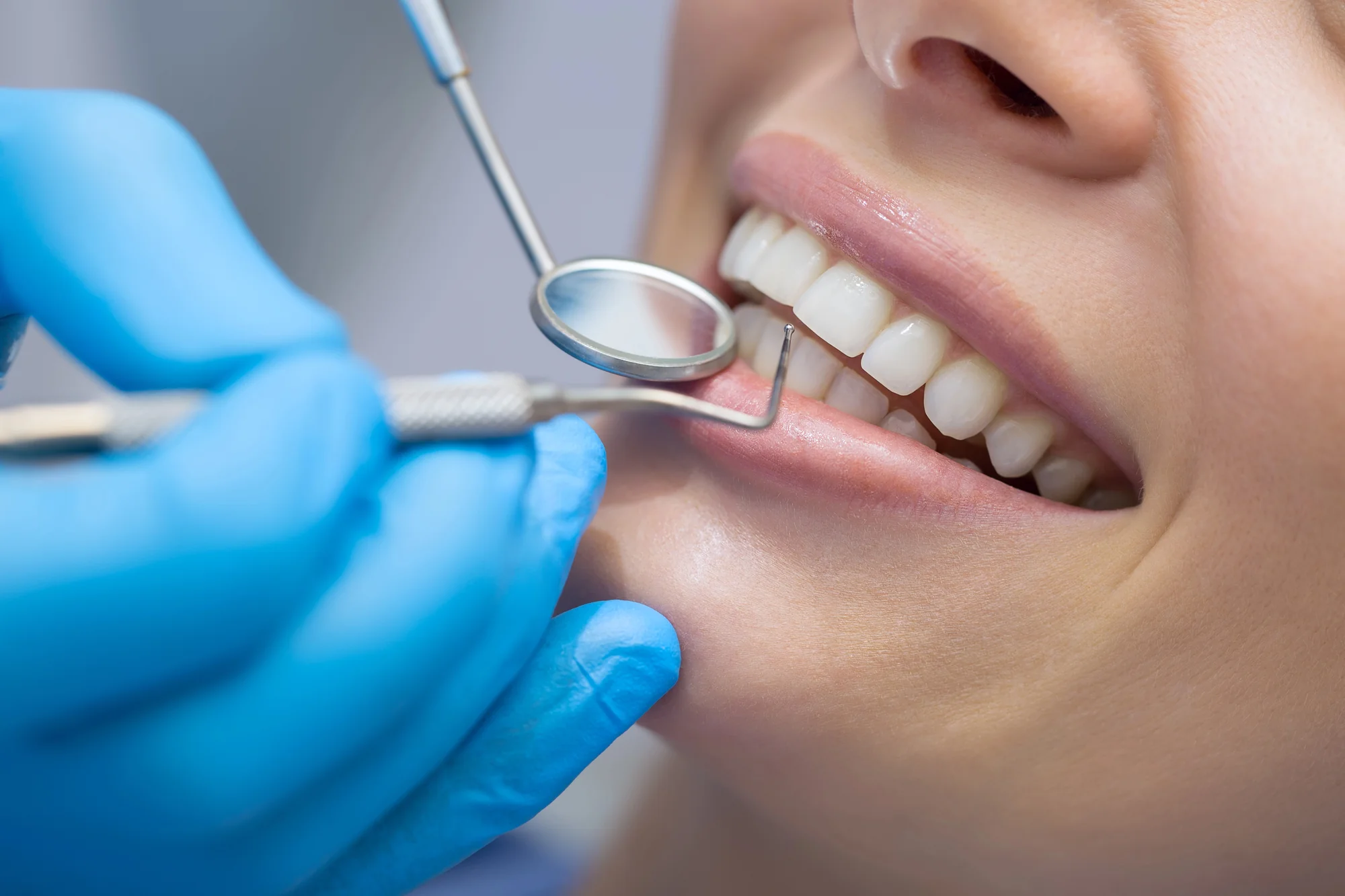
Have you ever seen yourself in the mirror and wished your teeth were straighter, or have you found yourself unable to bite or chew properly? You are not alone. Most individuals have difficulties aligning their teeth and jaws; this is where orthodontic care makes a difference. Orthodontics, the oldest known dental specialty, focuses on diagnosing, preventing, and correcting crooked teeth, crowded mouths, and misaligned bites.
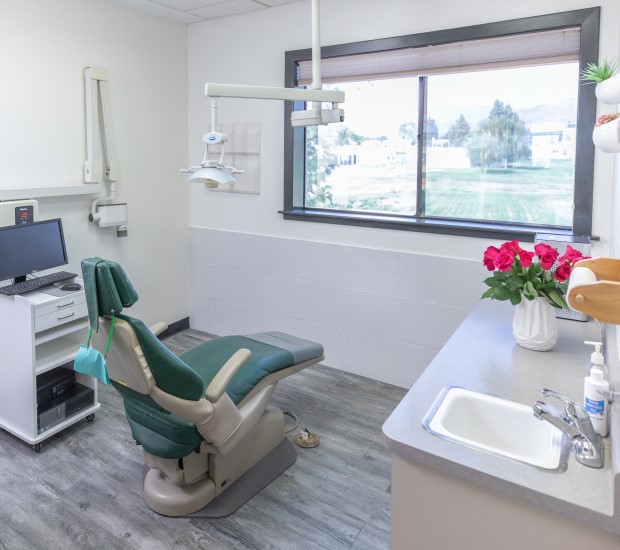
SoCal Dental of Agoura provides advanced orthodontic solutions to your unique needs. We strive to assist you in getting a healthy, functional, and confident smile by planning carefully and treating gently with the aim of long-lasting results. No matter your age, it is never too late to begin your path to the smile you have always wanted.
What is the Difference Between Orthodontists and Dentists?
Many people think that general dentists and orthodontists do the same thing, but they have different and complementary roles in your oral health. Knowing the difference is the initial step in knowing where to meet your needs.
A general dentist is your first line of care regarding oral health, focusing on various services to ensure the health and integrity of your teeth and gums. They deal with regular check-ups, cleaning, filling of cavities, crowns, and gum disease.
However, an orthodontist is a dental professional who decides to undertake advanced specialized training. Once they have finished four years of dental school to become a fully qualified dentist, they enter a two- to three-year residency program at an accredited institution. This is an intensive, full-time course that is devoted solely to the correction of crooked teeth, control of facial development, and the diagnosis and treatment of jaw irregularities.
This specialized training qualifies them as the ultimate specialists in using corrective appliances such as braces and clear aligners to move your teeth and jaw into the correct positions. Although a general dentist is necessary to keep your teeth clean and healthy, an orthodontist is the specialist to visit when your teeth or jaws are not aligned properly.
Advantages of Orthodontic Care
Although many individuals pursue orthodontic treatment to enhance the aesthetic appeal of their smiles, the benefits go beyond this. The alignment of your teeth and jaw is a significant investment in your future oral and overall health. These critical health and functional benefits highlight the real worth of orthodontic treatment.
Improved Oral Health
Well-aligned teeth are much easier to clean. Crowded, crooked, or overlapping teeth create difficult-to-reach areas where food particles and plaque can build up. This accumulation exposes you to the risk of developing tooth decay and gum disease or periodontal disease. Orthodontic treatment straightens your teeth, which removes these hiding places of harmful bacteria, making it easier to brush and floss and resulting in healthier gums and fresher breath.
Improved Oral Function
How your teeth come together is very influential to vital day-to-day activities. A misaligned bite, or malocclusion, may prevent you from biting, chewing, and even speaking clearly. Problems with chewing may cause digestion problems, and some speech disorders may be connected to the location of the teeth and tongue. Orthodontic treatment will address these bite problems, so your teeth can work as intended and you can eat and speak comfortably and confidently.
Improved Jaw Positioning
Overbite, underbite, or crossbite may cause excessive and uneven pressure on your jaw muscles and the temporomandibular joints (TMJ) connecting your jaw to your skull. This constant pressure may cause various painful symptoms, such as continuous pain in the jaw, headaches, and inability to open and close your mouth. By eliminating these bite discrepancies, orthodontic services can evenly spread the pressure across your teeth and jaws, relieving the pressure and reducing the likelihood of developing or exacerbating TMJ disorders.
Long-Term Financial Savings
Investing in orthodontic treatment today can save you from more complicated and expensive dental issues in the future. By fixing alignment problems early, you can prevent the necessity of more invasive procedures later, including extractions, crowns, or surgical procedures needed to correct severe wear, gum disease, or tooth loss that could have been prevented with an early correction of the bite. In this regard, orthodontic treatment is a preventive intervention that can save a lot of money on possible dental procedures in the future.
What Kinds of Problems Do Orthodontic Services Treat?
Orthodontic care aims to diagnose and treat various dental and facial abnormalities commonly referred to as malocclusions, or bad bites. These conditions may impact your look, oral performance, and general health. Describing the problems in a patient-friendly way will allow you to determine some possible issues that an orthodontist is highly qualified to handle.
Crowded and Crooked Teeth
Crowding is one of the most frequent causes of people seeking orthodontic treatment. This happens when you do not have sufficient room in your jaw to allow all your permanent teeth to grow in their correct positions. This shortage of space may result in teeth twisting, overlapping, or becoming crooked. Crowded teeth are not only an aesthetic issue but also harder to clean, thus making them more susceptible to decay and gum disease.
Overbite
An overbite, also known as a deep bite, is a condition in which the upper front teeth are too far forward and overlap the lower front teeth when you bite down. Although a slight overlap is normal, an excessive overbite may result in the lower teeth biting into the roof of the mouth, which causes gum irritation. It may also cause uneven wear on the front teeth and cause jaw pain.
Underbite
An underbite is the reverse of an overbite and is defined as the lower jaw and front teeth sticking out in front of the upper front teeth. This may render it hard to chew and lead to considerable tooth wear. In other instances, an underbite is caused by a skeletal imbalance between the upper and lower jaws. It may need a combination of orthodontic appliances and corrective jaw surgery in more severe adult cases.
Crossbite
A crossbite is a situation in which some of your upper teeth bite on the inside of your lower teeth. This may occur in the front or back teeth, appearing on one or both sides of the jaw. When not corrected, a crossbite may result in uneven wear of teeth, gum disease, and uneven jaw development, especially when not treated in childhood.
Spaced and Gapped Teeth
The reverse of crowding is spacing, which is the presence of gaps between two or more teeth. This may lead to misalignment, teeth that are small in size compared to the size of the jaw, or tongue thrusting. Although some individuals prefer a unique gap, too much space may interfere with your bite and leave spaces where food may become lodged, which may cause gum problems.
Impacted Teeth
An impacted tooth is either wholly or partially embedded in the jawbone or gum tissue and cannot reach its normal position. This usually occurs with wisdom teeth but may also happen with other teeth, especially the maxillary canines, or eye teeth. Orthodontic services are essential in treating impacted teeth by creating space to allow them to erupt, or, in most cases, in conjunction with an oral surgeon, the teeth are guided into their correct position using special techniques.
What Treatment Options Are Available?
Modern orthodontics has various treatment modalities to accommodate multiple needs, lifestyles, and clinical conditions. Your treatment is personalized depending on factors such as your age, the type of malocclusion you have, and any jaw imbalances. An orthodontist is the expert who can decide which appliance or combination will produce the best results for your unique smile. These treatments may be broadly classified as fixed or removable.
Fixed Appliances
Fixed appliances are orthodontic appliances firmly attached to your teeth and cannot be removed by yourself. Since they remain in position 24 hours a day, they offer accurate, constant control of tooth movement. They are therefore one of the most effective devices to correct misalignments and complex bite issues. The most common fixed appliance is the traditional brace system, which consists of several key components that interact to help your teeth move to their correct positions.
- Brackets: These are the little metal or ceramic squares placed on each tooth’s front. Brackets are used as handles to hold the archwire and transfer the force required to move teeth. Patients who want a less conspicuous treatment option prefer ceramic brackets.
- Archwire: This is a thin metal wire that passes through the brackets. The archwire serves as the moving force of the teeth as it exerts a steady pressure. During treatment, your orthodontist will change or adjust the archwire to ensure your teeth are moving in the correct direction.
- Elastics (Rubber Bands): small rubber bands commonly used with braces to add additional force. They may be fitted in different patterns between the upper and lower teeth to aid in correcting bite discrepancies, including overbites, underbites, or crossbites.
Other accessories can be added to braces to meet special needs. For example, ligatures (small rubber bands) hold the archwire in each bracket, and metal bands can be placed around molars to provide extra support. Collectively, these parts make a highly regulated system that progressively straightens your teeth and enhances bite functionality and appearance.
Removable Appliances
Removable appliances are more flexible and are usually preferred because of their aesthetic value. The most common of these is the clear aligner system, like Invisalign. Clear aligners are a set of custom-made, transparent, plastic trays that fit tightly over your teeth. You wear a set one to two weeks before switching to the next, and each tray will slowly move your teeth into their final position.
Other removable appliances are palate expanders, which are used in growing children to expand a narrow upper jaw to correct a crossbite or make more room to accommodate crowded teeth. Another significant appliance used in children who have prematurely lost a baby tooth is a space maintainer to keep the space open until the permanent tooth grows properly.
Surgical Orthodontics
In other instances, particularly in adults whose jaws have stopped growing, traditional orthodontic treatment may not be sufficient to address severe skeletal problems. These issues can be severe overbites, underbites, open bites, or asymmetry between the upper and lower jaws. In cases where the discrepancy is too large to correct with braces or clear aligners, orthognathic surgery or surgical orthodontics can be prescribed.
This is a specialized surgery by an oral and maxillofacial surgeon who moves the jawbones to ensure proper bite alignment, facial balance, and full functionality. Since surgery only rectifies the structure of the jaw, it is almost always used in conjunction with orthodontic treatment. Braces or aligners are usually applied before surgery to move the teeth into a position that allows the jaws to be positioned correctly. Orthodontic treatment is used after the surgery to refine the bite and to make the result stable and lasting.
In addition to functional gains, surgical orthodontics may also have aesthetic advantages. Patients report improvements in facial symmetry, jawline definition, and confidence in their appearance. Although the procedure can be overwhelming, developing surgical methods and technology has made the recovery process quicker and getting results more predictable. When planned correctly and with cooperation between your orthodontist and surgeon, surgical orthodontics can offer a healthy bite and a beautiful smile that will last a lifetime.
Timeline of Your Orthodontic Treatment
The question that patients ask most often when considering orthodontic treatment is, “How long will this take?” Although the answer varies depending on the individual, most active treatments take between 12 and 36 months. This process is gradual and well-controlled because the teeth cannot be moved safely and effectively quickly. Learning about the factors that affect this timeline and the steps that are involved can assist you in preparing yourself for the path ahead.
The Major Factors That Affect Your Treatment Duration
Several essential factors will influence the length of your orthodontic treatment. The first is the extent of your dental problem; less severe misalignments and minor crowding usually take less time than more severe bite problems or impacted teeth. The kind of treatment you take also matters, as well as your age and biological reaction to the treatment. Lastly, you play a vital role in the process—adhering to your orthodontist’s instructions, practicing good oral hygiene, and wearing your appliances as prescribed will keep your treatment on track.
- Step 1: Your Initial Consultation
The first step in your orthodontic treatment is an initial consultation. This initial visit is an extensive information-gathering visit. You will discuss your dental and medical history, and the orthodontist will examine your mouth thoroughly. To have a clear view of what is going on under the gums, panoramic X-rays or 3D imaging are taken to determine the location of your teeth, roots, and jawbones. Based on these results, the orthodontist will explain the diagnosis to you and suggest a personalized treatment plan, including the appliances to be used, the estimated timeframe, and the cost.
- Step 2: Active Treatment
After the braces are installed or the initial set of aligners is given, you are in the active phase of treatment. This phase entails frequent visits to the orthodontist to ensure your teeth are moving as intended. When you have traditional braces, you will usually have adjustment visits every four to six weeks. In these visits, your orthodontist will adjust the wires to keep your teeth moving in the correct direction. When you use clear aligners, you will have fewer check-in appointments, typically every six to ten weeks, to check your progress and deliver your next set of aligners.
- Step 3: The Big Day—Getting Rid of Your Appliances
Your active treatment is complete, and that is a significant milestone. When your teeth have been moved to their optimal locations, your orthodontist will book an appointment to remove your braces. Once the appliances are removed, your teeth will be polished to remove any remaining bonding material, leaving you with a beautifully straight smile. This is not the end of your journey, though, as the next critical stage is about to start.
Orthodontics for Every Age: From Childhood to Adulthood
Another myth is that orthodontic treatment is only done to teenagers. However, in the real world, orthodontic services can significantly help patients of all ages, including children and adults. Nevertheless, the treatment approach and objectives may vary according to a patient’s development level.
Why It Is Important to Have an Early Evaluation for Children
According to the American Association of Orthodontists, or AAO, every child should have their first orthodontic check-up by age 7. At this age, a child possesses a combination of baby and permanent teeth, enabling an orthodontist to identify minor issues with jaw development and emerging teeth when the facial bones are still growing.
This early assessment, also called interceptive treatment, enables the orthodontist to correct problems such as crossbites, severe crowding, or harmful oral habits that may worsen with time when not treated. In most instances, treatment is not required immediately. Your child might instead be put in an orthodontic monitoring program, where their growth and development will be periodically monitored until the optimal time to start treatment.
It Is Never Too Late to Have Orthodontic Monitoring for Adults
More and more adults are considering orthodontic treatment to enhance their smiles and oral health. In the case of adults, aesthetics and the well-being of their teeth and gums are usually the main factors. Since the jawbones of an adult have ceased to grow, the treatment of skeletal problems may differ from that in a child and may include orthognathic surgery.
Fortunately, contemporary orthodontics provides a great range of discreet solutions, including clear ceramic braces and clear aligners, which are in demand among adult patients. Adults must also be in good oral health before the start of treatment. Any existing tooth decay or gum disease should be treated to provide a stable base for moving the teeth.
The Role of Retainers After Orthodontic Treatment
When your braces are finally removed or you have completed your last aligners, you will be in the final and most crucial stage of your orthodontic treatment, which is retention. It is essential to wear a retainer to preserve your investment and ensure your new smile lasts a lifetime. Once your teeth have been in tension for months or years, they return to their original positions. This is referred to as orthodontic relapse.
A retainer is a specially made oral appliance that keeps your newly straightened teeth in their new positions as the surrounding gum and bone tissues stabilize. Retainers come in various forms, such as clear plastic retainers that fit over your teeth and fixed retainers that are a thin wire attached to the back of your front teeth. Your orthodontist will tell you how frequently and for how long you must wear your retainer to keep your results.
Frequently Asked Questions (FAQ)
How frequently are orthodontic visits made during treatment with braces?
When you are actively wearing braces, you will visit your orthodontist every four to eight weeks to adjust your braces.
How frequently are progress checks made with Q clear aligners?
In the case of clear aligners, the progress is usually checked after every six to twelve weeks.
Does dental insurance cover orthodontic treatment, and is there an age limit?
Most dental insurance plans provide some coverage, usually with a lifetime maximum rather than an annual one. Other plans also restrict coverage to dependents under 19.
Find a Reliable Orthodontist Near Me
Orthodontic services are a specialized and detailed field of dentistry essential to the appearance of your smile and overall oral health. The results are long-term and significant, including correcting bite issues and enhancing your capability to clean your teeth.
Modern orthodontic services have enabled individuals of all ages, including young children and adults, to have a healthy, functional, and confident smile. Knowing how orthodontic services work from consultation to treatment and the retention process enables you to take charge of your oral health. The path to a healthier smile is an investment in your well-being that is worth it.
When you are ready to proceed, a professional consultation is ideal for professional advice and a clear, personalized treatment plan. At SoCal Dental of Agoura, we are committed to delivering caring, high-tech orthodontic services to help you attain your smile objectives. There is no need to wait any longer. Book your consultation today by calling us at 818-597-0100.